JUSTIN HARTFIELD

WITHDRAWAL · 5:43

Is weed addictive?

Weed is addictive for some: an estimated 1 in 11 who use it become dependent, and about half of regular or dependent users go through withdrawal.

Weed Withdrawal Symptoms: Is Weed Addictive? T-Breaks Watch on YouTube Subscribe

Is weed addictive, what are the withdrawal symptoms, and how long should a T-break be? This covers how many people who use cannabis become dependent, what a Vermont study of 18 users found when they stopped, how long withdrawal and the strange dreams last, how tolerance works through the CB1 lock, how fast the locks come back after stopping, what a Penn State study found about T-breaks, and what a 2019 review and an Australian trial found about medication.

The full answer

Is weed addictive?

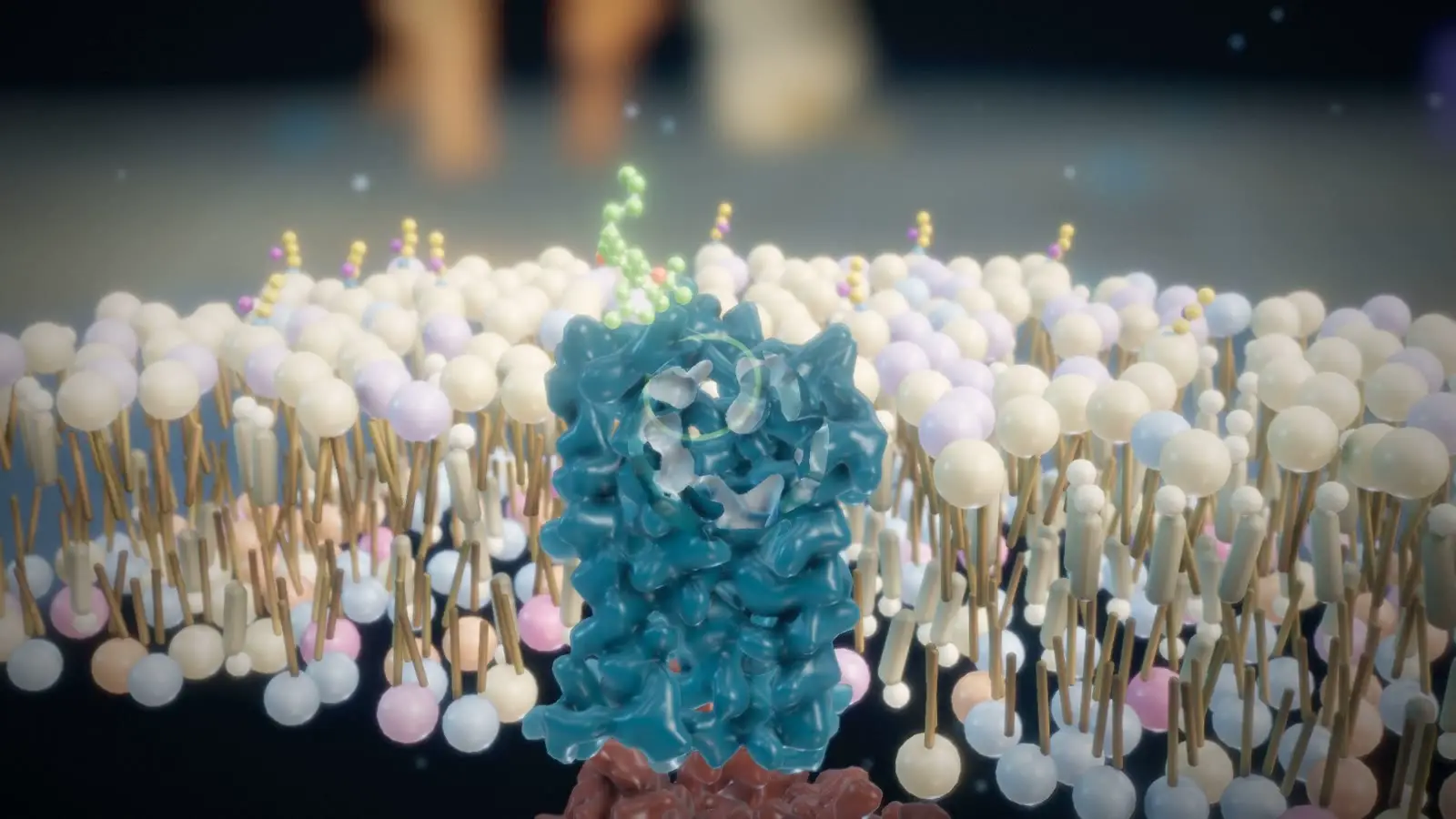
Is weed addictive? For some people it is: a large US survey estimated that about one in eleven people who had used cannabis would become dependent at some point, and about half of regular or dependent users go through withdrawal when they stop, with irritability, poor sleep and strange dreams. I'm Justin Hartfield, and I've been selling cannabis for twenty-five years. Part of the reason seems to be a lock in your brain called CB1: if THC holds it open every day, your brain pulls some of those locks in, and when you stop, putting them back takes days to weeks.

How many people get addicted to weed?

How many people get addicted to weed? It depends on how you count. That survey of more than seven thousand people who had used cannabis estimated that about nine in a hundred would become dependent in their lifetime, against about two in three for nicotine and a little over one in five for alcohol or cocaine. In a 2012 to 2013 national survey, about three in ten people who had used cannabis in the past year met the criteria that year for a use disorder, which also counts problems short of dependence. In a 2020 review, studies that followed young people over time found that about one in three who used weekly or daily became dependent.

What are the symptoms of weed withdrawal?

What are the symptoms of weed withdrawal? In 2003 in Vermont, eighteen cannabis users smoked as usual for five days and then stopped for forty-five, and researchers compared how they felt with twelve former users. The symptoms that came with stopping were anger and aggression, anxiety, irritability, restlessness, shakiness, stomach pain, less appetite with some weight loss, and trouble sleeping. Not every regular user gets them. A 2020 review of forty-seven studies with over twenty-three thousand regular or dependent users found withdrawal in about half overall, seventeen percent of those drawn from the general population, and nearly nine in ten of those in inpatient treatment.

How long does weed withdrawal last?

How long does weed withdrawal last? In that Vermont study, symptoms usually started on day one to three, were worst on days two to six, and most lasted four to fourteen days. Sleep can take longer.

Why do you have vivid dreams after quitting weed?

Why do you have vivid dreams after quitting weed? THC tends to reduce REM sleep, and in the first days after people stop, sleep labs see more REM than before, which reviewers link to the strange dreams. A 2016 Yale review says the dreams usually start one to three days after quitting and last four to fourteen days, though larger studies found trouble sleeping lasting forty-three days and strange dreams lasting as long as forty-five. At Johns Hopkins in 2010, eighteen heavy users slept in a lab on five nights over the first two weeks after stopping, and their sleep got worse over that time, with less sleep and more time awake.

How does weed tolerance work?

How does weed tolerance work? THC holds the CB1 lock part of the way open, and if that happens every day, your brain pulls some of the locks back in. In 2012, scans at the US National Institutes of Health compared thirty men who smoked about ten joints a day on average with twenty-eight men who barely used, and the daily smokers had about twenty percent fewer CB1 locks in the cortex. That's thought to be one reason the same joint starts doing less, though nobody has proven the link in people. A 2018 review found tolerance was strongest for the effects on thinking and memory, and only partial for the high and the racing heart.

How long does it take for CB1 receptors to come back?

How long does it take for CB1 receptors to come back? They start fast. In 2016 at Yale, eleven cannabis-dependent men started with fifteen percent fewer CB1 locks than healthy men, and after only two days without cannabis the difference was no longer clear, and it stayed that way at day twenty-eight. In the NIH study, fourteen of the men were scanned again after about four weeks off, and the locks were back to normal in most of the areas that had dropped. The exception was the hippocampus, where today becomes memory. Its locks hadn't come back by the second scan.

How long should a tolerance break be?

How long should a tolerance break be? I found no study that tested it directly. The scans say the locks start coming back within two days and look normal in most areas after about four weeks, so my reading is that a few days already starts the reset and a heavy daily user needs closer to a month for most of it. Both scan studies were of heavy users, so for lighter users nobody knows. One caution comes from a 2023 Penn State study that followed a hundred and seventy young adults for six months. The ones who took a T-break showed an increase in risky use, while those who took longer breaks for other reasons showed a decrease. A study like that shows a link and can't say why.

Is there medication for weed withdrawal?

Is there medication for weed withdrawal? No medicine is approved for cannabis use disorder, the medical name for addiction to it. A 2019 review of twenty-one trials with over seventeen hundred people found that none of the main drug groups tested made people more likely to quit, though THC given as a medicine seemed to ease withdrawal. The most encouraging trial I found was in Australia in 2019. A hundred and twenty-eight dependent people who wanted to quit got counseling plus a THC and CBD mouth spray or a placebo for twelve weeks, and the THC and CBD group used street cannabis on an average of thirty-five of those days, against fifty-three on placebo.

The whole film is on my site, linked below. Next: How long does THC stay in your system?

What the studies show

Every claim in this answer, the study behind it, who was studied, and who paid for the research. “None listed” means the paper names no funder.
What the video saysSourceWho was studiedFunded by
A large US survey estimated that about one in eleven (nine in a hundred) people who had used cannabis would become dependent in their lifetime, against about two in three for nicotine and a little over one in five for alcohol or cocaine Lopez-Quintero 2011 7,389 people who had used cannabis, national survey, survival analysis NIMH, NIAAA, NCI, NIDA; NIH intramural
About half of regular or dependent users go through withdrawal when they stop: 17% of those drawn from the general population, nearly nine in ten of those in inpatient treatment Bahji 2020 systematic review and meta-analysis of observational studies none listed
Withdrawal comes with irritability, poor sleep and strange dreams Budney 2003
Angarita 2016
see the rows below Budney: NIDA, US Public Health Service; Angarita: NIDA, NCATS
Part of the reason seems to be a lock in your brain called CB1: if THC holds it open every day, your brain pulls some of those locks in, and when you stop, putting them back takes days to weeks Hirvonen 2012
D'Souza 2016
humans, brain PET Hirvonen: NIMH intramural; D'Souza: NIDA, NIMH, NCATS
In a 2012 to 2013 national survey, about three in ten people who had used cannabis in the past year met the criteria that year for a use disorder, which also counts problems short of dependence Hasin 2015 36,309 US adults, cross-sectional survey NIDA; NIH intramural (NIAAA)
In a 2020 review, studies that followed young people over time found that about one in three who used weekly or daily became dependent Leung 2020 systematic review and meta-analysis none listed
In 2003 in Vermont, eighteen cannabis users smoked as usual for five days and then stopped for forty-five, and researchers compared how they felt with twelve former users; the symptoms that came with stopping were anger and aggression, anxiety, irritability, restlessness, shakiness, stomach pain, less appetite with some weight loss, and trouble sleeping Budney 2003 18 users and 12 former users, outpatient, 50-day prospective study NIDA, US Public Health Service
Symptoms usually started on day one to three, were worst on days two to six, and most lasted four to fourteen days; sleep can take longer Budney 2003
Angarita 2016
same study; review Budney: NIDA, US Public Health Service; Angarita: NIDA, NCATS
THC tends to reduce REM sleep Schierenbeck 2008
Angarita 2016
reviews Schierenbeck: none listed; Angarita: NIDA, NCATS
In the first days after people stop, sleep labs see more REM than before, which reviewers link to the strange dreams Angarita 2016
Schierenbeck 2008
narrative reviews of sleep-lab studies Angarita: NIDA, NCATS; Schierenbeck: none listed
A 2016 Yale review says the dreams usually start one to three days after quitting and last four to fourteen days, though larger studies found trouble sleeping lasting forty-three days and strange dreams lasting as long as forty-five Angarita 2016 narrative review NIDA, NCATS
At Johns Hopkins in 2010, eighteen heavy users slept in a lab on five nights over the first two weeks after stopping, and their sleep got worse over that time, with less sleep and more time awake Bolla 2010 18 heavy users on an inpatient unit, polysomnography, no control group NIDA, NCRR; NIH intramural
In 2012, scans at the US National Institutes of Health compared thirty men who smoked about ten joints a day on average with twenty-eight men who barely used, and the daily smokers had about twenty percent fewer CB1 locks in the cortex Hirvonen 2012 58 men, brain PET NIMH intramural
That's thought to be one reason the same joint starts doing less, though nobody has proven the link in people Hirvonen 2012 same study NIMH intramural
A 2018 review found tolerance was strongest for the effects on thinking and memory, and only partial for the high and the racing heart Colizzi 2018 systematic review of human studies UK Medical Research Council; UK Department of Health (NIHR)
In 2016 at Yale, eleven cannabis-dependent men started with fifteen percent fewer CB1 locks than healthy men, and after only two days without cannabis the difference was no longer clear, and it stayed that way at day twenty-eight D'Souza 2016 30 men, brain PET NIDA, NIMH, NCATS
In the NIH study, fourteen of the men were scanned again after about four weeks off, and the locks were back to normal in most of the areas that had dropped; the exception was the hippocampus, whose locks hadn't come back by the second scan Hirvonen 2012 14 men, brain PET NIMH intramural
The hippocampus, where today becomes memory Hirvonen 2012
I found no study that tested how long a T-break should be Ansell 2023 Ansell: NIDA
The scans say the locks start coming back within two days and look normal in most areas after about four weeks, so my reading is that a few days already starts the reset and a heavy daily user needs closer to a month for most of it D'Souza 2016
Hirvonen 2012
Justin's view
Both scan studies were of heavy users, so for lighter users nobody knows Hirvonen 2012
D'Souza 2016
as above Hirvonen: NIMH intramural; D'Souza: NIDA, NIMH, NCATS
One caution comes from a 2023 Penn State study that followed 170 young adults for six months: the ones who took a T-break showed an increase in risky use, while those who took longer breaks for other reasons showed a decrease; a study like that shows a link and can't say why Ansell 2023 170 young adults, 6-month follow-up (cohort) NIDA
No medicine is approved for cannabis use disorder; a 2019 review of twenty-one trials with over seventeen hundred people found that none of the main drug groups tested made people more likely to quit, though THC given as a medicine seemed to ease withdrawal Nielsen 2019 Cochrane systematic review, 21 randomized trials none listed
No medicine is approved for cannabis use disorder (still the case in 2026) Bedillion 2026 review (Columbia and Johns Hopkins authors) none listed
In Australia in 2019, 128 dependent people who wanted to quit got counseling plus a THC and CBD mouth spray or a placebo for twelve weeks, and the THC and CBD group used street cannabis on an average of thirty-five of those days, against fifty-three on placebo Lintzeris 2019 128 adults with cannabis dependence, double-blind randomized trial none listed

Next answers

All 26 answers →

Where this answer came from

You’ve Been High Your Whole Life, the playable film

Free, in English, Spanish and German. You run the experiments yourself.

Play the film

Get the next answer first

Subscribe on YouTube, or get an email.