Does weed kill brain cells, is weed bad for your brain, and does it lower your IQ? This is where the brain-cell idea came from, what your own cannabinoids do to protect neurons, how CB1 receptors come back after you stop, what happens to memory and whether memory loss from weed can be reversed, and what two large twin studies found about IQ.
The full answer
Does weed kill brain cells?
Does weed kill brain cells? There's no good evidence that it does in people, and in mice, the system THC works through protects brain cells, while what THC changes in adults mostly reverses once they stop. I'm Justin Hartfield, and I've spent twenty-five years in cannabis.
Does smoking weed kill brain cells?
Does smoking weed kill brain cells? The idea came from animals: in 1980, a small study of rhesus monkeys reported changes at their synapses. Then in 1988, rats given THC for eight months, nearly a third of their lives, had a lower density of neurons in the hippocampus.
But a 1991 review found that monkeys exposed daily for up to a year hadn't consistently shown that damage. And in 2015, scans of daily users matched carefully with non-users for drinking showed no differences in the hippocampus or the other regions checked.
Does THC kill brain cells?
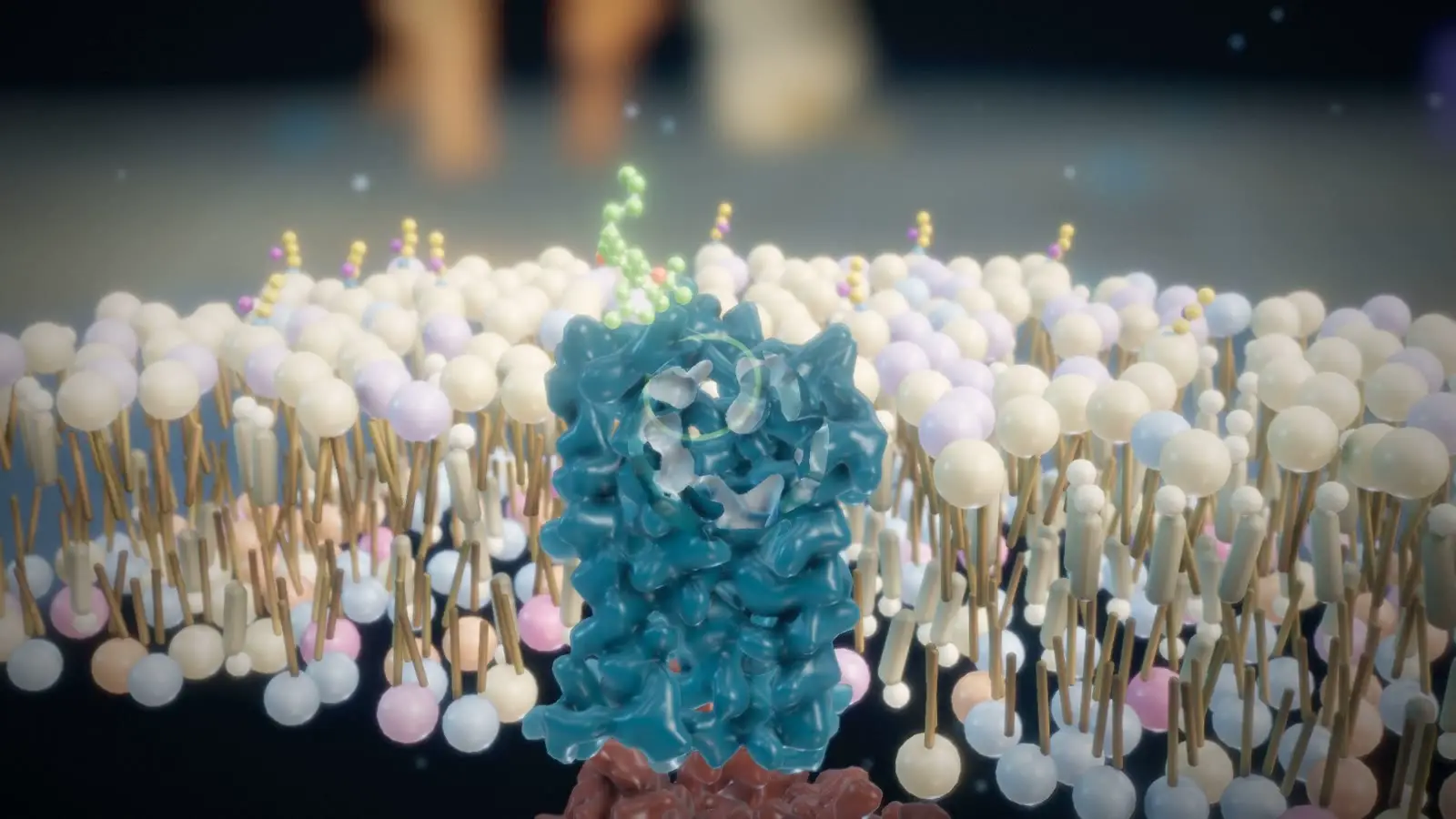
Does THC kill brain cells? Start with what its lock is for, because a brain cell that gets too excited can be damaged, and CB1 sits on the top cell, the one doing the shouting.
See that? The bottom cell carves 2-AG out of its own membrane and sends it backward. Against the traffic.
In 2003, a lab in Munich bred mice without CB1 on their main forebrain neurons and gave them a toxin that overexcites brain cells.
The brake has nowhere to land. In mice like this, a seizure-causing toxin hit much harder. Your endocannabinoid keys are like a built-in defense.
And in rat neurons in a dish, THC itself shielded them from a flood of glutamate by acting as an antioxidant.
Does weed affect your brain permanently?
Does weed affect your brain permanently? THC does change it, because a brain flooded with THC every day turns down its CB1 locks, and in 2012, thirty men who'd smoked daily for years had about a fifth fewer in the cortex.
Fourteen of them were scanned again after about four weeks off cannabis on a secure research ward, and their locks were back to normal in most of the brain, though not yet in the hippocampus.
Does weed affect memory?
Does weed affect memory? While you're high it does, because THC weakens short-term memory. But a 2018 analysis of sixty-nine studies of young people found that once users had been off it for more than three days, the gap in test scores was too small to tell from zero.
And in a Boston trial that year, young people who stopped for a month improved their verbal memory, most of it in the first week.
Does weed lower IQ?
Does weed lower IQ? Teenagers who use it do score lower on average, so the fair test is twins who grew up together. In 2016, two American studies tested three thousand and sixty-six twins at nine to twelve and again at seventeen to twenty.
The twin who used marijuana didn't lose significantly more IQ than the twin who didn't. In 2018, nearly two thousand twins in England and Wales showed the same, and the users' lower scores were already there in childhood, before they'd started using it.
Both teams put the lower scores down to family background, though these studies only followed people through their teens, so they can't speak for decades of daily smoking.
Does weed improve your brain?
Does weed improve your brain? Nobody has shown that in people, but in mice, this system looks like part of what keeps an aging brain going.
Mice born without CB1 age early. In old mice, a tiny daily dose of THC brought their learning back to the level of young ones. In young mice, it made it worse.
Those mice without CB1 had also lost neurons in the hippocampus as they aged, so brain cells went missing when this system was taken away.
So the brain-cell scare came from animals, and in people, what THC changes mostly comes back after they stop, which is a long way from killing cells. The whole film is on my site, linked below, and next, why we age.
What the studies show
Every claim in this answer, the study behind it, who was studied, and who paid for the research. “None listed” means the paper names no funder.