The 13% Scandal: Why Doctors Don't Know About the ECS
Only 13% of medical schools teach about the endocannabinoid system. This isn't an oversight—it's a scandal.

Full Article
Here's a statistic that should make you angry: only about 13% of medical treatments are supported by high-quality evidence.
That's not a typo. The vast majority of what doctors do is based on tradition, expert opinion, or low-quality studies. The "evidence-based medicine" we hear so much about is more aspiration than reality.
The Education Gap
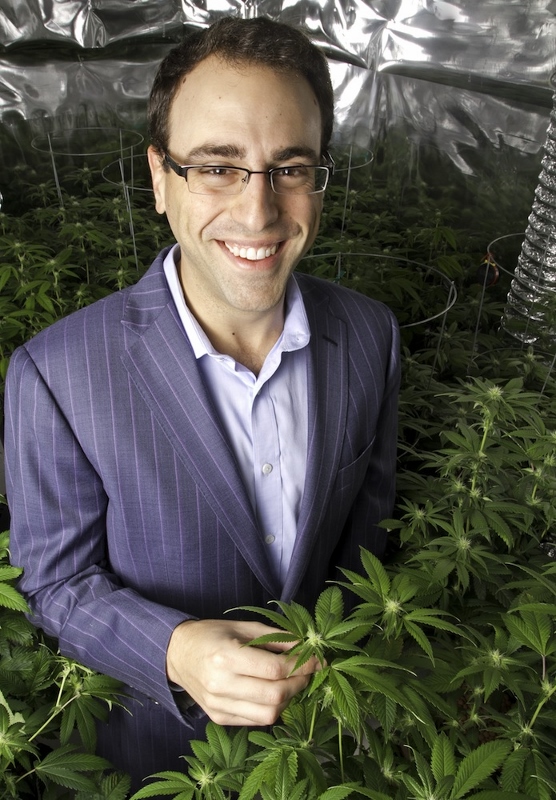
Dr. Bob Melamede often pointed out that medical schools teach almost nothing about the endocannabinoid system—the largest neurotransmitter system in the human body. How is that possible?
It's possible because medical education is decades behind the science. It takes an average of 17 years for research findings to be incorporated into clinical practice. And some findings never make it at all, especially if they challenge established paradigms or threaten profitable treatments.
The endocannabinoid system was discovered in the 1990s. It's now 2024, and most doctors still can't tell you what it does.
The Pharmaceutical Influence
Medical education is heavily influenced by pharmaceutical companies. They fund research, sponsor conferences, and provide "educational materials" to medical schools. Guess what doesn't get much attention? Treatments that can't be patented.

Cannabis can't be patented. Neither can diet, exercise, or lifestyle interventions. So they get minimal attention in medical training, even when the evidence supports them.
"Your doctor isn't stupid—they're just working with incomplete information."
What This Means for You
Don't blindly trust authority. Your doctor may be well-intentioned but poorly informed about certain topics. Do your own research. Ask questions. Be an active participant in your healthcare, not a passive recipient.
The Forward-Looking approach means taking responsibility for your own health education. The information is out there. You just have to look for it.
That's what Dr. Bob spent his life trying to teach us. Question everything. Follow the evidence. Think for yourself.

Comments
Related Articles

The System Inside You That Nobody Told You About

The Wizard Behind the Curtain
Why You're Probably Deficient (And Don't Know It)

Fat, Fibrosis, and Cancer: The Same Phenomenon

The Three Selves: Your Internal Thermodynamic System
Want More?
Subscribe to The Forward Look on YouTube to get notified when new episodes drop.
Subscribe