Fat, Fibrosis, and Cancer: The Same Phenomenon
When cells make too many free radicals, they have three survival options: make fat, make fibers, or divide. Obesity, fibrosis, and cancer are all the same phenomenon.

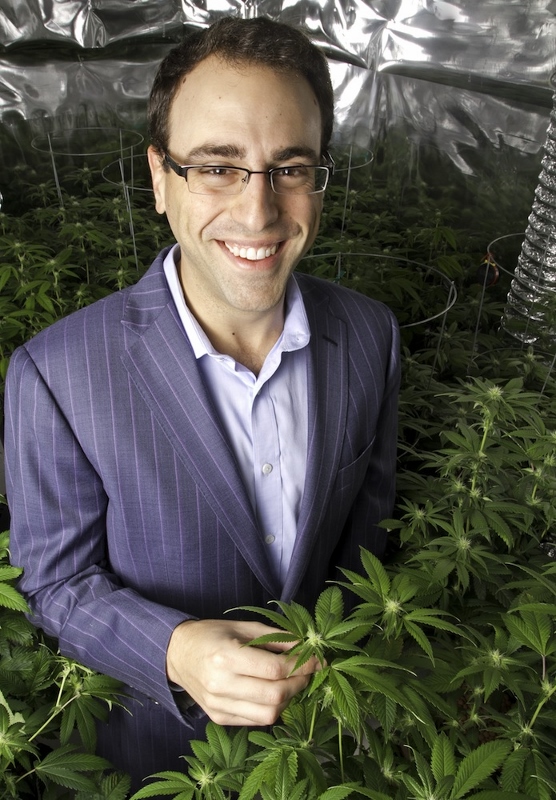
Full Article
Editor's Note: Theoretical Framework
This article presents a theoretical hypothesis about the relationship between obesity, fibrosis, and cancer. While chronic inflammation is recognized as a factor in all three conditions, the claim that they are "the same phenomenon" is a conceptual framework for understanding cellular stress responses, not established medical consensus. The role of the endocannabinoid system in these conditions is an active area of research with promising but preliminary findings.
Fact Check
- Chronic inflammation link: Supported — Research confirms chronic inflammation contributes to obesity, fibrosis, and cancer development.
- Cellular de-differentiation: Partially supported — Cancer involves de-differentiation; the application to obesity and fibrosis is more nuanced.
- ECS regulation of these processes: Emerging research — Studies suggest ECS involvement, but therapeutic applications remain investigational.
- "Same phenomenon" claim: Theoretical — This is a conceptual framework, not a clinically validated classification.
What if I told you that obesity, liver fibrosis, and cancer are all manifestations of the same underlying process?
Sounds crazy, right? They seem like completely different diseases. But Dr. Bob Melamede showed me the common thread: they're all responses to chronic stress that push cells toward a more primitive, less differentiated state.
The Stress Response Gone Wrong
When your body faces chronic stress—whether from inflammation, toxins, or metabolic dysfunction—cells have to make a choice. They can either maintain their specialized function and risk dying, or they can de-differentiate, become more primitive, and focus on survival.
Fat accumulation is one version of this. When cells are stressed, they start hoarding energy as fat. It's a survival mechanism—store resources for the hard times ahead. But when the stress never ends, the fat keeps accumulating.
Fibrosis is another version. Stressed tissue lays down collagen, creating scar tissue. It's trying to wall off the damage, protect itself. But chronic stress means chronic scarring, and eventually the organ can't function.
Cancer is the extreme version. Cells de-differentiate so much that they lose their identity entirely. They become primitive, rapidly dividing entities focused solely on their own survival, no longer serving the organism.

The Endocannabinoid Connection
The endocannabinoid system is supposed to regulate this stress response. It's the master switch that tells cells whether to maintain differentiation or shift toward survival mode.
When the ECS is functioning properly, it keeps cells in their appropriate state. When it's deficient or dysregulated, cells start making bad decisions. They accumulate fat when they shouldn't. They lay down scar tissue inappropriately. They lose their differentiation and become cancerous.
"Fat, fibrosis, and cancer aren't three diseases—they're three expressions of the same underlying dysfunction."
Implications for Treatment
If these conditions share a common root, then treating them in isolation is missing the point. You can't just cut out the fat, or remove the scar tissue, or poison the cancer cells. You have to address the underlying stress and restore proper cellular regulation.
This is why supporting the endocannabinoid system might be relevant for all three conditions. Not as a cure, but as a way to restore the body's ability to maintain appropriate cellular differentiation.
The Forward-Looking approach to health recognizes that symptoms are signals. Fat accumulation, fibrosis, cancer—they're all your body telling you something is wrong at a fundamental level. Listen to the signal. Address the root cause. Work with thermodynamics, not against it.
Comments
Related Articles

Why Chemotherapy Creates Drug Resistance

The Warburg Effect: Why Cancer Loves Sugar

Estrogen, Menopause, and the Fat-Burning Connection
How to Think About AI (Without Panicking)

The Three Selves: Your Internal Thermodynamic System
Want More?
Subscribe to The Forward Look on YouTube to get notified when new episodes drop.
Subscribe