Stem Cells and Cancer: The Continuum
Cancer isn't a foreign invader—it's your own stem cells losing their way on the spectrum between health and disease.

Full Article
Editor's Note: Scientific Context
This article discusses the cancer stem cell hypothesis, which is a legitimate area of cancer research. However, the therapeutic implications suggested—particularly regarding cannabinoids promoting re-differentiation—are based on preliminary laboratory studies, not proven clinical treatments. Cancer treatment should always be guided by qualified oncologists using evidence-based approaches.
Here's a mind-bender for you: stem cells and cancer cells have more in common than you'd think.
Both are undifferentiated. Both can divide indefinitely. Both are focused on growth and survival rather than specialized function. The main difference? Stem cells are under control. Cancer cells aren't.
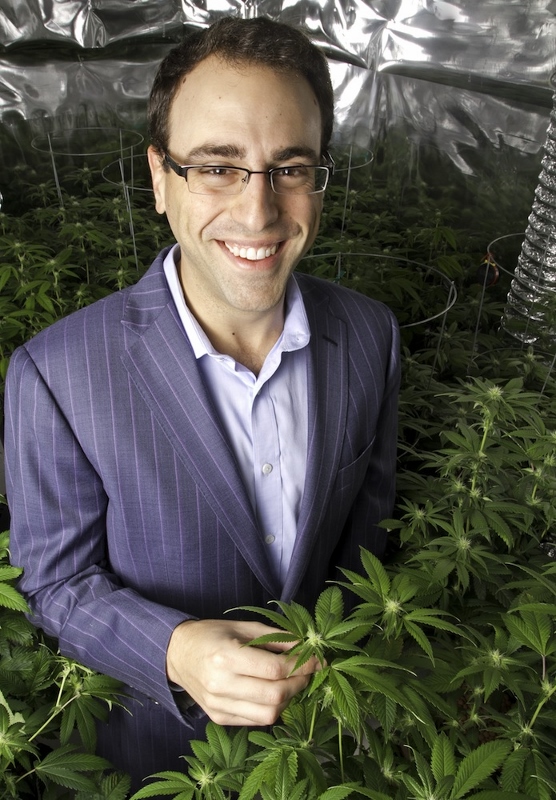
Dr. Bob Melamede saw stem cells and cancer as two ends of a continuum, with normal differentiated cells in the middle. Understanding this continuum changes how you think about both regeneration and disease.
The Differentiation Spectrum
A stem cell is pure potential. It can become anything—a neuron, a muscle cell, a skin cell. As it differentiates, it gains specialized function but loses flexibility. A fully differentiated cell is great at its job but can't become anything else.
Cancer is what happens when cells de-differentiate—they lose their specialized identity and revert toward that primitive, stem-like state. But unlike stem cells, they've lost the regulatory controls that keep growth in check.
The endocannabinoid system plays a crucial role in regulating where cells sit on this spectrum. It influences differentiation, proliferation, and apoptosis. When the ECS is functioning properly, cells stay where they belong.

Cancer Stem Cells
The most dangerous cancer cells are the cancer stem cells—the ones that sit at the primitive end of the spectrum and can regenerate the entire tumor. Kill all the differentiated cancer cells and leave the stem cells, and the cancer comes back.
This is why chemotherapy often fails. It targets rapidly dividing cells, but cancer stem cells often divide slowly. They wait out the assault and rebuild.
"Cancer isn't a foreign invader—it's your own cells that have forgotten who they are."
Implications
If cancer is de-differentiation, then treatment should focus on re-differentiation—convincing cancer cells to grow up and specialize again. Some cannabinoids have been shown to promote differentiation in certain cancer cell types.
The Forward-Looking approach to cancer isn't just about killing cells. It's about restoring proper cellular identity and regulation. Work with thermodynamics, not against it.

Comments
Related Articles

Why Chemotherapy Creates Drug Resistance

The Warburg Effect: Why Cancer Loves Sugar

Fat, Fibrosis, and Cancer: The Same Phenomenon
What Crypto Gets Right (And Wrong)
Deprogram Your Mind
Want More?
Subscribe to The Forward Look on YouTube to get notified when new episodes drop.
Subscribe