Postbirth Traumatic Stress Disorder: The Origin of BLPs?
Breastmilk contains psychoactive endocannabinoids that provide neuroprotection after birth trauma. Could lack of breastfeeding create Backward-Looking People?

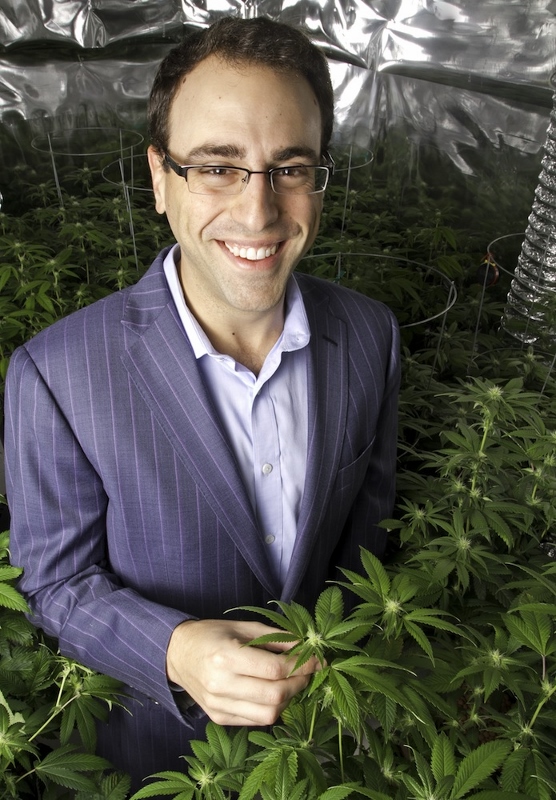
Full Article
Editor's Note: Philosophical Exploration
This article presents speculative philosophical ideas from Dr. Bob Melamede, not established medical or psychological science. "Postbirth Traumatic Stress Disorder" is not a recognized medical diagnosis. The concepts of "Forward-Looking People" (FLPs) and "Backward-Looking People" (BLPs) are conceptual frameworks for discussion, not clinical classifications. This content is intended for philosophical exploration only and should not be used as a basis for medical or psychological treatment decisions.
What if the most traumatic event of your life happened before you could form memories of it?
Dr. Bob Melamede introduced me to a concept that rocked my understanding of human psychology: Postbirth Traumatic Stress Disorder. Not post-partum—postbirth. The trauma of being born.
The Shock of Existence
Think about what birth actually is from the baby's perspective. You've spent nine months in a warm, dark, quiet environment where all your needs are automatically met. No effort required. Perfect equilibrium.
Then suddenly, violently, you're squeezed through a narrow passage, exposed to blinding light, deafening sounds, cold air, and for the first time in your existence, you have to breathe. You have to work to survive. The umbilical cord is cut. You're on your own.
This is the original far-from-equilibrium experience. And it's traumatic as hell.
The Endocannabinoid Buffer
Here's where the endocannabinoid system comes in. It's supposed to buffer this transition. Endocannabinoids help regulate stress response, ease anxiety, promote bonding with the mother. They're the biological shock absorbers for the trauma of birth.
Scientific Context
Research confirms that breast milk contains endocannabinoids (2-AG and anandamide) and that the ECS plays a role in infant development. However, the specific theory that ECS deficiency during birth creates lasting personality differences is speculative and not supported by peer-reviewed research.
But what if that system is deficient? What if the buffer isn't strong enough?

Dr. Bob suggests that some people never fully recover from birth trauma. They carry a deep, unconscious memory of that original shock—the terror of being ripped from equilibrium into chaos. And they spend their entire lives trying to get back to the womb.
The BLP Connection
This might explain the Backward-Looking People. Their desperate clinging to the past, their fear of change, their need for security and predictability—it's all an attempt to recreate the womb. They want to return to that state of effortless equilibrium they lost at birth.
Forward-Looking People, on the other hand, may have had a smoother transition. Or they've somehow processed the trauma and learned to embrace the chaos of existence rather than flee from it.
"Some people never recover from being born. They spend their whole lives trying to crawl back into the womb."
Healing the Original Wound
If this theory is correct, it suggests that supporting the endocannabinoid system might help heal this primal trauma. Not by returning to the womb—that's impossible—but by building the resilience to thrive in the chaos of existence.
One evening, as I sat alone reflecting on my life, I found myself confronting a deep sense of isolation and uncertainty about my future. Questions arose: Was I truly living in a way that allowed me to heal and grow, or was I stuck in patterns that kept me from connecting with others and myself? In that moment, I recognized the importance of humility and the need to seek support—in essence, to begin the difficult but necessary process of healing from within.
Maybe that's what growing up really means—finally accepting that you can't go back to the womb, and learning to dance with the chaos instead.

Comments
Related Articles
The System Inside You That Nobody Told You About
The Wizard Behind the Curtain

Why You're Probably Deficient (And Don't Know It)
Stop Trying to Convince BLPs

The Consciousness Question Nobody's Asking
Want More?
Subscribe to The Forward Look on YouTube to get notified when new episodes drop.
Subscribe