Why am I paranoid while high? Does weed cause anxiety, or help it? This covers why you overthink when you're high, why weed can give you anxiety after years of smoking, whether CBD counteracts THC, how long cannabis-induced anxiety lasts, and how to stop being paranoid when you're high.
The full answer
Why does weed make you paranoid?
Why does weed make you paranoid? It's because THC works on the system your brain uses to handle fear, and the dose decides which way it pushes. A little can calm you down, while a little more can tip you into worry and suspicion. I'm Justin Hartfield, and I've spent twenty-five years in cannabis.
Why am I paranoid while high?
Why am I paranoid while I'm high? Start with what your own cannabinoids do when you're scared, because your brain makes them on the spot.
So what makes a cell create them? Well, the things that happen to you. In 2012, seventy-one adults gave a speech to a panel of strangers. Right afterwards, the anandamide in their blood had gone up.
And when an old fear needs to fade, mice make more endocannabinoids in the amygdala.
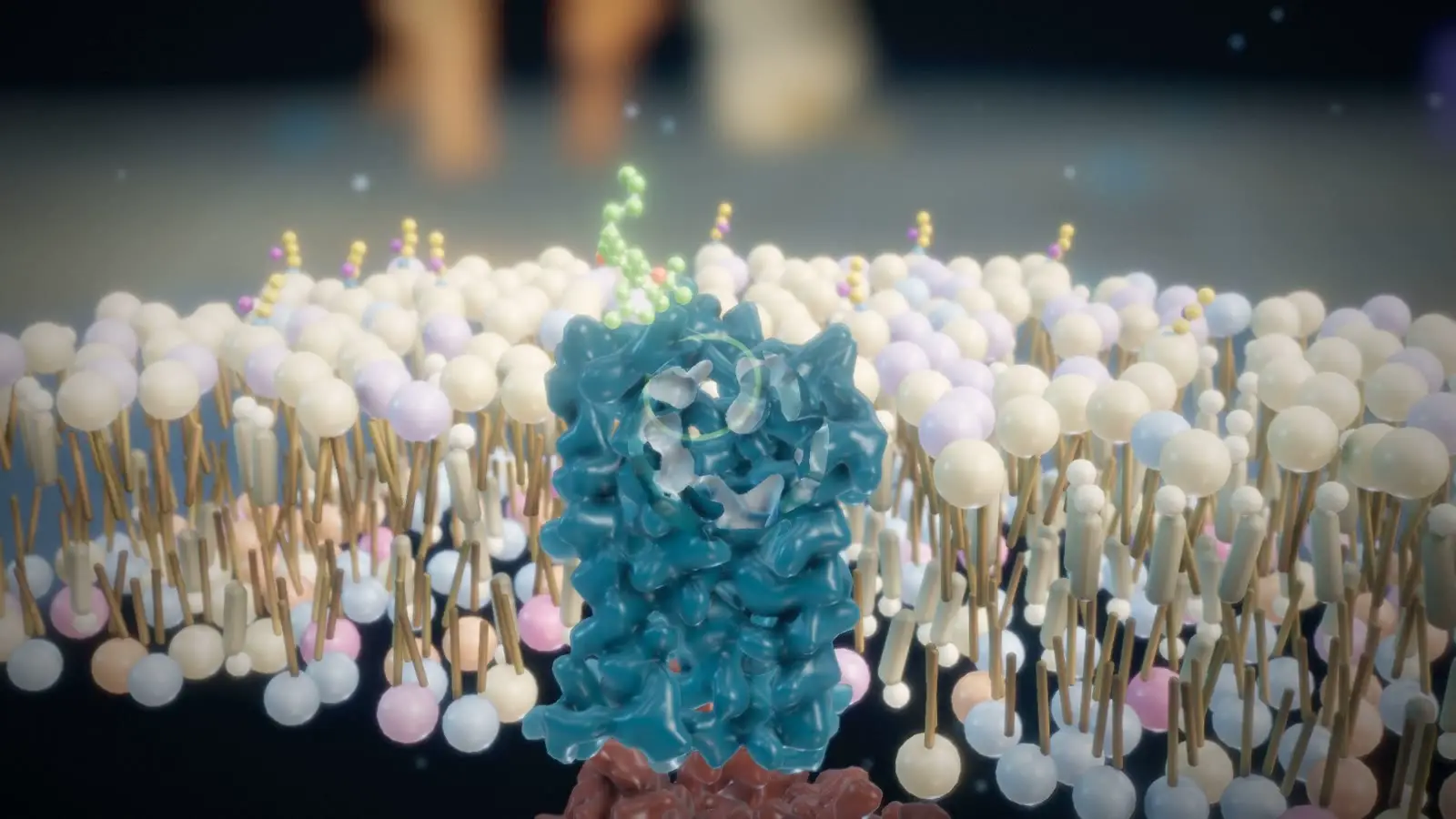
Your brain makes them right where the fear is and clears them in moments, which helps the alarm switch off once the danger has passed. THC works on the same lock those cannabinoids use, but everywhere at once, danger or not.
Does weed help with anxiety, or cause it?
So does weed help with anxiety, or cause it? It can do both, and the dose decides which. In 2017, researchers in Chicago gave forty-two adults a capsule and then a stressful public-speaking test.
Seven and a half milligrams. Less distress after the speech. The test felt less threatening.
Twelve and a half. Not even twice as much, but it induced a worse mood before and during, and a poorer performance.
A mouse study showed where it turns: the calm from a tiny dose of a THC-like drug needed the lock on the cells that excite, and the anxiety from a big dose needed it on the cells that calm.
Why do I overthink so much when I'm high?
Why do I overthink so much when I'm high? THC turns up worry, and a study at Oxford showed how that worry feeds suspicion. A hundred and twenty-one people who'd had a recent paranoid thought got salt water or about one strong joint's worth of THC through a drip, then rode a virtual train of strangers.
Those on THC grew more suspicious, and what fully explained it was feeling more worried and worse about themselves, and the world starting to look and sound strange.
Why does weed give me anxiety after years of smoking?
Why does weed give me anxiety after years of smoking? Part of it is the plant: in tens of thousands of US samples, THC tripled from about four percent in 1995 to twelve in 2014, while CBD fell.
Does CBD counteract THC?
Does CBD counteract THC? It doesn't seem to at the ratios in most products, because in a 2023 trial in London, forty-six people vaped THC with up to three times as much CBD, and the CBD changed nothing they measured. Only a huge dose helped: in Australia, four hundred milligrams of vaped CBD softened the high, while four milligrams made it stronger.
How long does cannabis-induced anxiety last?
How long does cannabis-induced anxiety last? It runs on the same clock as the high, so from a joint it fades over two or three hours and from an edible it can last four to twelve. If it's still there days later, that's worth a talk with a doctor.
How to stop being paranoid when high
How do you stop being paranoid when you're high? Nothing switches it off, and in that Oxford study, even explaining beforehand what THC can do didn't help. So go somewhere safe with someone you trust, breathe out long and slow, and let the clock run.
Lemon, at least, has a small trial behind it. In 2024, a Johns Hopkins team added limonene, the scent in lemon peel, to a big vaped dose of THC, and at the highest amount they tried, people felt less anxious and less paranoid. And next time take less, because in every dose study here, more tipped people over.
The same system can calm you or scare you, and a little more THC usually tips it. The whole film is on my site, linked below, and next, can your brain unlearn a fear?
What the studies show
Every claim in this answer, the study behind it, who was studied, and who paid for the research. “None listed” means the paper names no funder.