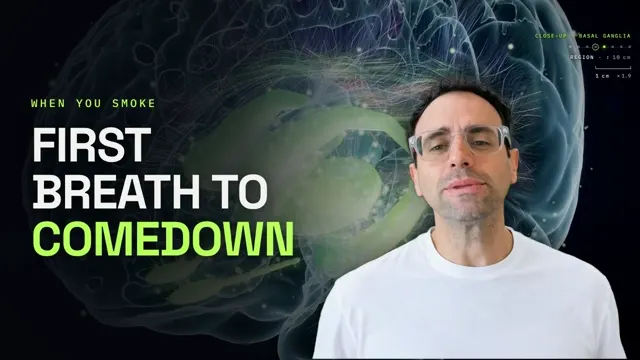
Is weed a stimulant or depressant, an upper or a downer, a hallucinogen, and what type of drug is marijuana? This shows why cannabis fits none of the boxes: the CB1 brake on both kinds of brain cells, the dose that flips it, how it differs from a depressant like alcohol, and why it isn't a psychedelic.
The full answer
Is weed a depressant?
Is weed a depressant? It doesn't really fit that box, or the stimulant one either. THC works on a brake that sits both on the cells that rev your brain up and on the cells that calm it down, so the dose decides which way it pushes you. I'm Justin Hartfield, I've been selling cannabis for twenty-five years, and this is what's going on in there.
Is weed a stimulant?
Is weed a stimulant? It does act like one on your heart. At Johns Hopkins in 2018, seventeen people who rarely used cannabis smoked twenty-five milligrams of THC from a pipe, and ten minutes later their hearts were beating about nineteen beats a minute faster.
Is weed a stimulant or depressant?
So is weed a stimulant or a depressant? The same people also rated themselves sleepier, so they got a bit of both at once, and the reason is a brake in your brain.
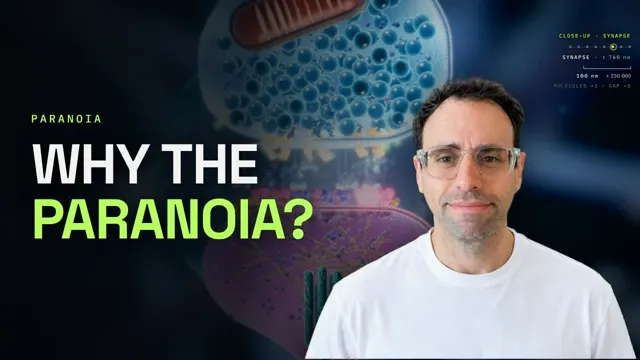
This is a synapse. You have about a hundred trillion of them. Messages cross the gap one way, from the top cell to the bottom one.
Right now the top cell is shouting. If the bottom cell gets too excited, it gets hurt. Keep it out of the red. Press and hold to brake.
See that? The bottom cell carves 2-AG out of its own membrane and sends it backward. Against the traffic.
You kept it safe. That's the backward signal. Your cells do it on their own, on demand, the moment they need it.
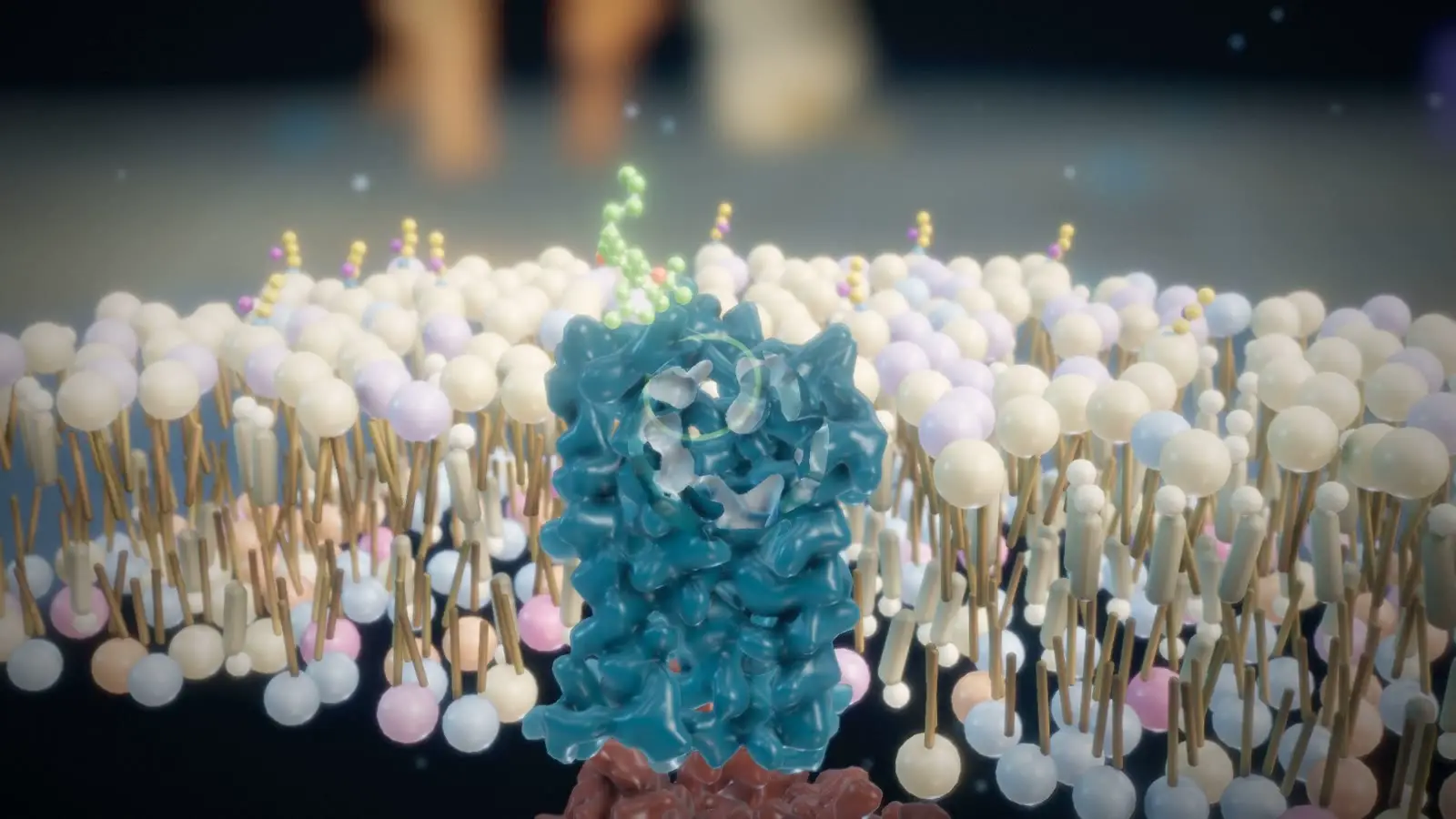
That brake isn't only on the cells that excite, because the same CB1 lock also sits on the cells that release GABA, your brain's main calming signal. So when THC holds the brake on everywhere, it turns down the signal from both kinds of cell at once.
THC holds the locks part of the way open, whether the cell asked or not. And your own brake has a harder time getting through. Now picture that everywhere at once. That's the high.
Is weed an upper or downer?
Is weed an upper or a downer? That comes down to which cells get braked more, and the dose decides. In 2012, a lab in Mainz gave a THC-like drug to mice missing the lock on one kind of brain cell at a time. A tiny dose calmed the mice through the lock on the cells that excite, and a dose fifty times bigger made them anxious through the lock on the cells that calm.
People tip the same way, and in a 2017 study in Chicago, a small capsule of THC took the edge off a stressful speech, while one not even twice as big left people in a worse mood.
Is weed a depressant like alcohol?
Is weed a depressant like alcohol? Alcohol works largely by boosting GABA's effect at a lock called GABA-A, so it turns brain cells down. THC works one step earlier, on a brake that controls how much signal gets sent in the first place. And that brake sits on both the calming and the exciting cells, which is why it can tip either way.
Is weed a hallucinogen?
Is weed a hallucinogen? Classic psychedelics like LSD and magic mushrooms work on a serotonin lock called 5-HT2A, while THC gets you high through CB1, so it isn't one in that sense. THC can still make sights and sounds feel strange, and in that Johns Hopkins study, one of the seventeen people hallucinated after the strongest vaped dose.
What type of drug is marijuana?
So what type of drug is marijuana? THC, the part that gets you high, is a cannabinoid, a family defined by the lock it works on. That lock was built for keys your own body makes, which is why weed sits in a box of its own.
So weed works on a brake, and the dose decides whether it takes you up or down. You can hold that brake yourself on my site, linked below with the whole film, and next, why does weed make some people paranoid?
What the studies show
Every claim in this answer, the study behind it, who was studied, and who paid for the research. “None listed” means the paper names no funder.