Why do I keep eating when I'm full, what are seed oils, is olive oil a seed oil, do seed oils make you hungry, and are seed oils bad for you? This answer follows linoleic acid, the omega-6 in seed oils, into the cannabinoids your body makes, through a mouse experiment, a sleep study and two diet trials, and you can make the three bets yourself.
The full answer
Why am I always hungry?
Why am I always hungry, and why do I want another bite when I've had enough? Part of the answer is a system inside you that makes its own cannabis-like molecules to help run your appetite, and it builds them from the fats you eat. I'm Justin Hartfield, I've spent twenty-five years in cannabis, and the plant works through this same system.
Why do I keep eating when I'm full?
So why do I keep eating when I'm full? In 2012, a lab in Naples gave eight healthy people who weren't hungry either a favourite food or a duller one with the same calories, and with the favourite, their blood carried more 2-AG, one of your body's own cannabinoids, and more ghrelin, the hunger hormone.
In 2002, researchers in England put a little 2-AG into the reward centre of rats' brains, and the rats started eating, while a drug that blocks the cannabinoid lock cut that eating back.
What is linoleic acid?
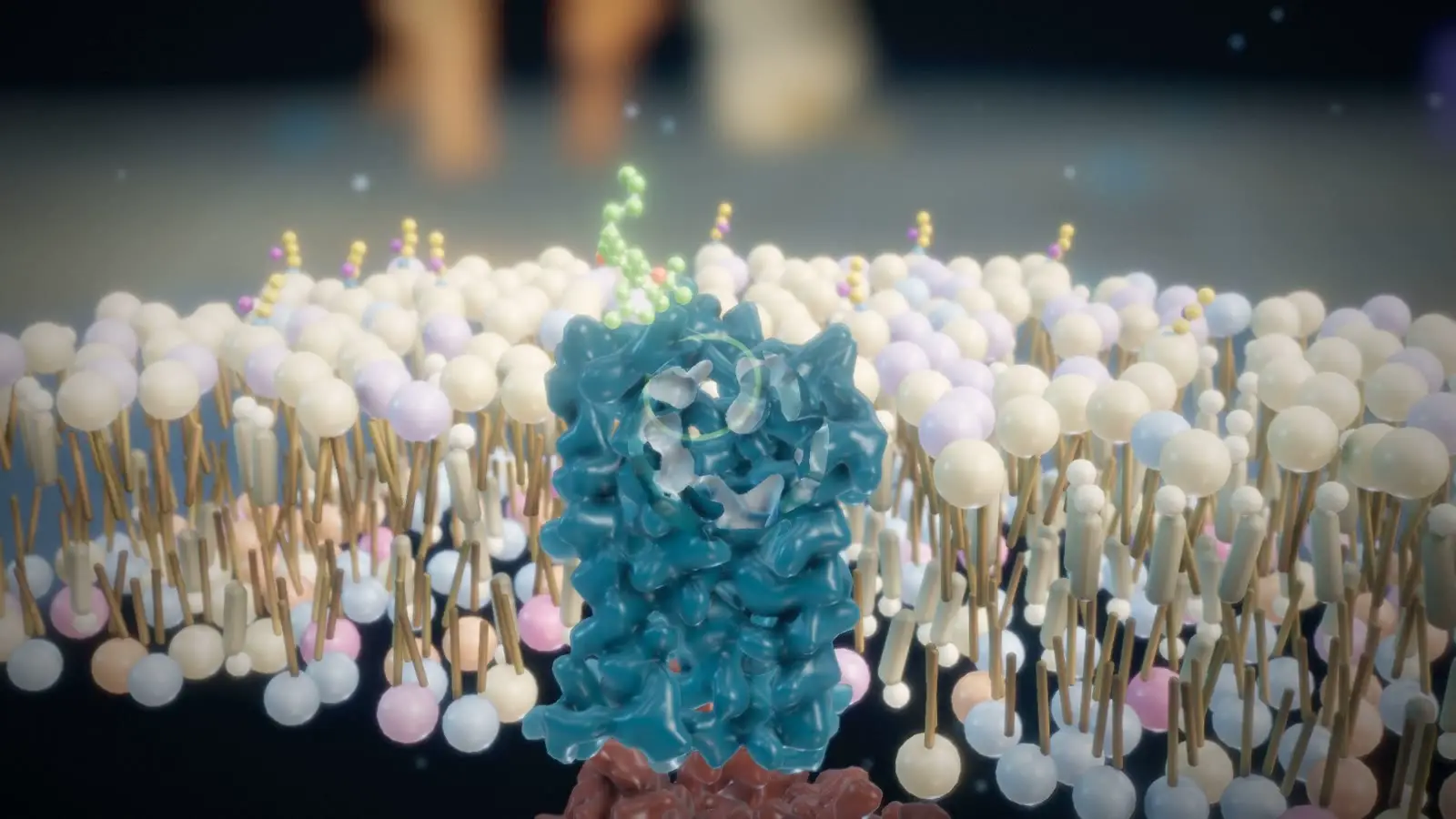
What is linoleic acid? It's the main omega-6 fat in what you eat, and your body turns some of it into arachidonic acid, which is the backbone of both of your cannabinoid keys, 2-AG and anandamide.
And your food supplies the raw material. Your keys are built from fat. In mice raised without enough omega-3s, the locks in the brain's mood centers stopped working.
What are seed oils?
What are seed oils? They're oils pressed or extracted from seeds, like soybean, canola, sunflower, corn and safflower. Between 1909 and 1999, the soybean oil in the US food supply went up more than a thousandfold, and linoleic acid went from under three percent of the calories available to over seven.
Is olive oil a seed oil?
Is olive oil a seed oil? No, olive and avocado oil are pressed from the fruit, and the seed oils themselves differ a lot. When one lab tested fourteen oils, linoleic acid made up seventy-nine percent of safflower oil and sixty-two percent of sunflower, while rapeseed, which is what Europeans call canola, had about a fifth, close to olive oil.
Do seed oils make you hungry?
So do seed oils make you hungry? In 2012, researchers in Norway and the US fed young mice the same amount of fat for fourteen weeks, with linoleic acid at one or eight percent of their calories, then measured the mice's own cannabinoids, so make your bet before I tell you.
On the eight percent diet, the 2-AG and anandamide in their livers nearly tripled, and those mice ate more and got fatter, while a little of the omega-3 fats from fish brought them back in line with the one percent mice. The authors think the extra keys drove the weight gain, though the study didn't test that directly.
Why am I so hungry?
Why am I so hungry after a short night? In a 2016 study in Chicago, healthy young adults slept four nights at eight and a half hours and four at four and a half, so guess what their 2-AG did.
On short sleep, its daily rise climbed higher and lasted longer into the afternoon, which is when they felt hungrier and had a harder time leaving the snacks alone.
Are seed oils bad for you?
Are seed oils bad for you? For your heart, one big pooled analysis points the other way, because across thirty studies of almost sixty-nine thousand people, those with more linoleic acid in their blood or body fat had a lower risk of cardiovascular disease and of dying from it.
For appetite, two diet trials have measured these keys in people, and they came out differently. In one, twelve weeks of less linoleic acid and more omega-3 lowered 2-AG by about a quarter, while in the other the same kind of diet changed neither key, and neither trial looked at hunger.
So when you want another bite after you're full, your own cannabinoids are likely part of that pull, though what today's menu does to them in people is still an open question. The whole film is on my site, linked below, and next, does weed make you lose weight?
What the studies show
Every claim in this answer, the study behind it, who was studied, and who paid for the research. “None listed” means the paper names no funder.