What is the placebo effect, how does it work, is it real, and do placebos work if you know? This covers endogenous opioids, your brain's own morphine, the 2011 strawberry-milk study that found the endocannabinoid part of placebo pain relief, open-label placebos for back pain, and the nocebo effect.
The full answer
Can your brain make its own painkiller?
Can your brain make its own painkiller? It can, and it makes more than one kind: its own opioids, which people call endorphins, and its own cannabinoids. The placebo effect is where scientists have caught it using both. I'm Justin Hartfield, I've spent twenty-five years in cannabis, and here's how a glass of strawberry milk helped prove it.
What is the placebo effect?
So what is the placebo effect? It's real relief that comes from expecting a treatment to work, or from your body having learned that it works, even when there's no drug in it. With pain, that relief is chemistry, because your brain answers with its own painkillers, and a drug that blocks them takes the relief away.
Endogenous opioids: your brain's own morphine
Endogenous opioids were the first kind anyone found, in 1975, when chemists pulled two tiny molecules out of pig brains that fit the same locks as morphine and called them enkephalins. Three years later, researchers gave people who'd just had their wisdom teeth out a placebo, then naloxone, a drug that blocks those opioid locks, and in the people whose placebo had been working, the pain climbed back.
How does the placebo effect work?
How does the placebo effect work? In 1999, a lab in Turin pulled it apart with a tight cuff on people's arms. When people were simply told they'd get relief, the relief ran on their own opioids, and naloxone wiped it out. When their bodies had learned the relief from earlier doses of a real painkiller, it depended on which drug taught it: relief learned from morphine ran on opioids, but naloxone didn't touch relief learned from an ordinary painkiller, and for twelve years nobody knew what that kind ran on.
Placebo effect example: the strawberry milk study
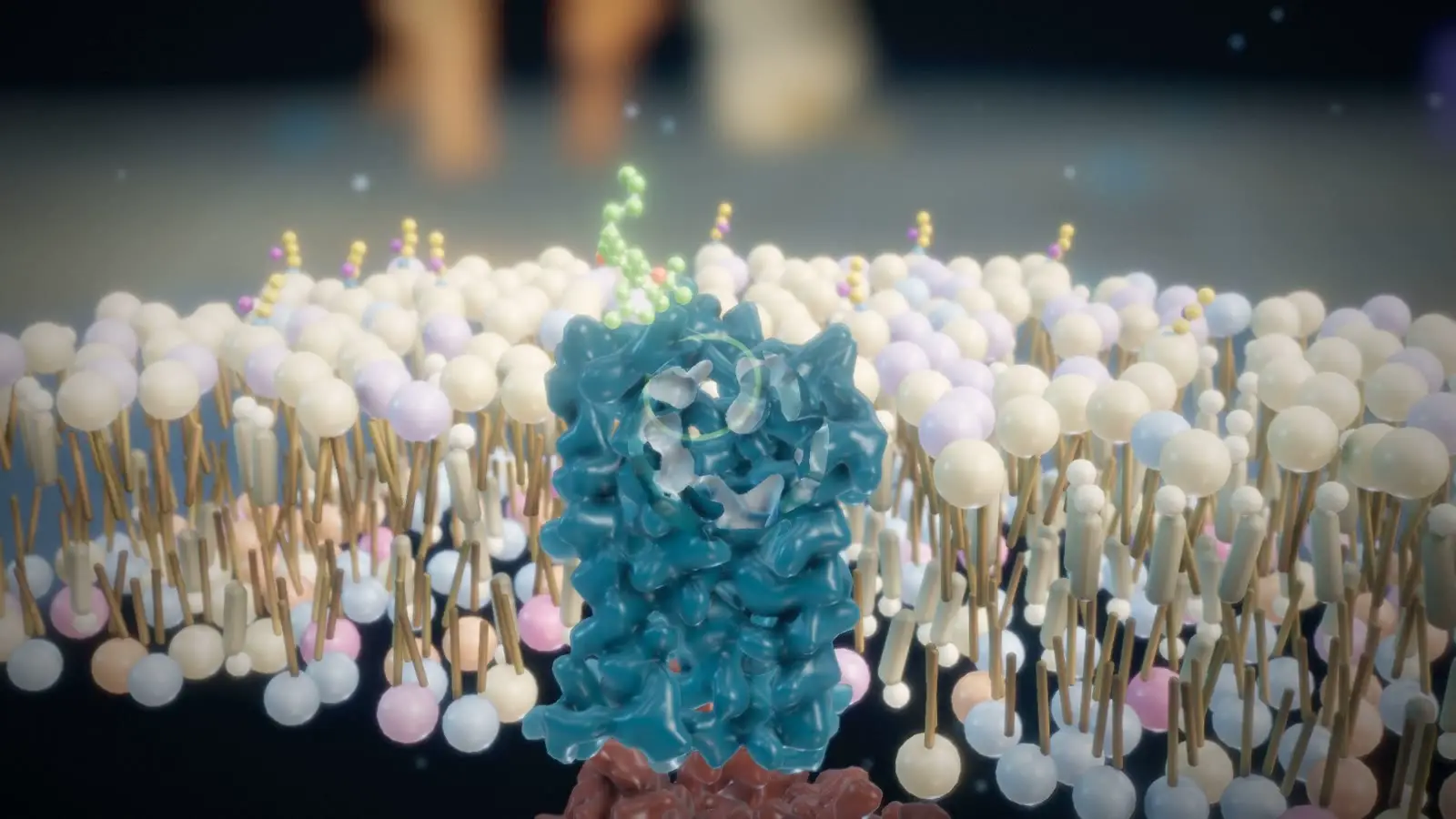
The placebo effect example that answered it came in 2011, and it helps to start with rats. In 2005, stress made the pain-control center of a rat's midbrain produce both of the body's own cannabinoids, and blocking CB1 there stopped the stress-driven pain relief that doesn't need opioids.
Now people. In 2011, volunteers wore a tight cuff on one arm and squeezed a spring for as long as they could stand the pain. For two days, they got a painkiller first, and lasted longer.
The next day, they got plain strawberry milk, and were told it was the painkiller. They still lasted longer. Their brains had learned to expect relief.
Is the placebo effect real?
Is the placebo effect real? The strongest sign that it is comes from a drug that can block it.
For another group, the milk also hid rimonabant, the CB1 blocker, which on its own does nothing to pain. After an ordinary painkiller, the learned relief was gone. After morphine, it stayed: that relief runs on the body's opioid system instead.
In the paper's tables, people on the ordinary painkiller went from twelve minutes on day one to about fifteen and a half, and still lasted fifteen on the milk day. A second group climbed to about sixteen on the same painkiller, and with the blocker hidden in their milk they lasted eleven point eight, a little under where they'd started.
Do placebos work if you know?
Do placebos work if you know they're placebos? In 2016, ninety-seven adults in Lisbon with back pain lasting over three months were openly given placebo pills for three weeks, on top of their usual care. Their pain fell by one and a half points out of ten, against a fifth of a point on usual care alone.
What is the nocebo effect?
And what is the nocebo effect? It's the reverse, where expecting pain to get worse can make it worse. In 2006, the Turin lab made the same cuff hurt more just by telling people it would, and proglumide, a drug that blocks a messenger called CCK, stopped that extra pain completely while leaving ordinary pain alone.
So yes, your brain makes its own painkillers, and expecting relief is one of the ways it switches them on. The whole film is on my site, linked below, and next, can your brain unlearn a fear?
What the studies show
Every claim in this answer, the study behind it, who was studied, and who paid for the research. “None listed” means the paper names no funder.