Why are stoners skinny when the munchies are real? This covers whether weed makes you gain weight, what two national surveys and a three-year follow-up found, how your endocannabinoid system tells fat cells to store, rimonabant, the CB1-blocking diet pill Europe suspended in 2008, whether weed speeds up your metabolism, and whether quitting weed makes you gain weight.
The full answer
Does weed make you lose weight?
Does weed make you lose weight? Not directly, because THC pushes people to eat more, and yet in big American surveys the people who use it are less often obese, and nobody has shown why. I'm Justin Hartfield, I've spent twenty-five years in cannabis, and the best clue I know of is a lock your body uses to decide what to store.
Does weed make you gain weight?
Does weed make you gain weight? In the lab it pushes you that way, and you can see it in a study from 1988, when six men lived in a Johns Hopkins residential lab for thirteen days and ate about forty percent more calories on the days they smoked real marijuana than on placebo days.
Their meals stayed the same size, so the extra all came from snacking in between, and they put on more weight than those calories alone would explain.
Why are stoners skinny?
So why are stoners skinny, when the munchies push the other way? In two national surveys of American adults in the early 2000s, twenty-two to twenty-five percent of people who hadn't used cannabis that year were obese, against fourteen to seventeen percent of people who used it at least three days a week, and tobacco didn't explain the gap.
When the same survey went back to thirty-three thousand of those people three years later, every group had gained a little, but the people who used cannabis had gained less than the people who never had.
How your own cannabinoids tell fat cells to store
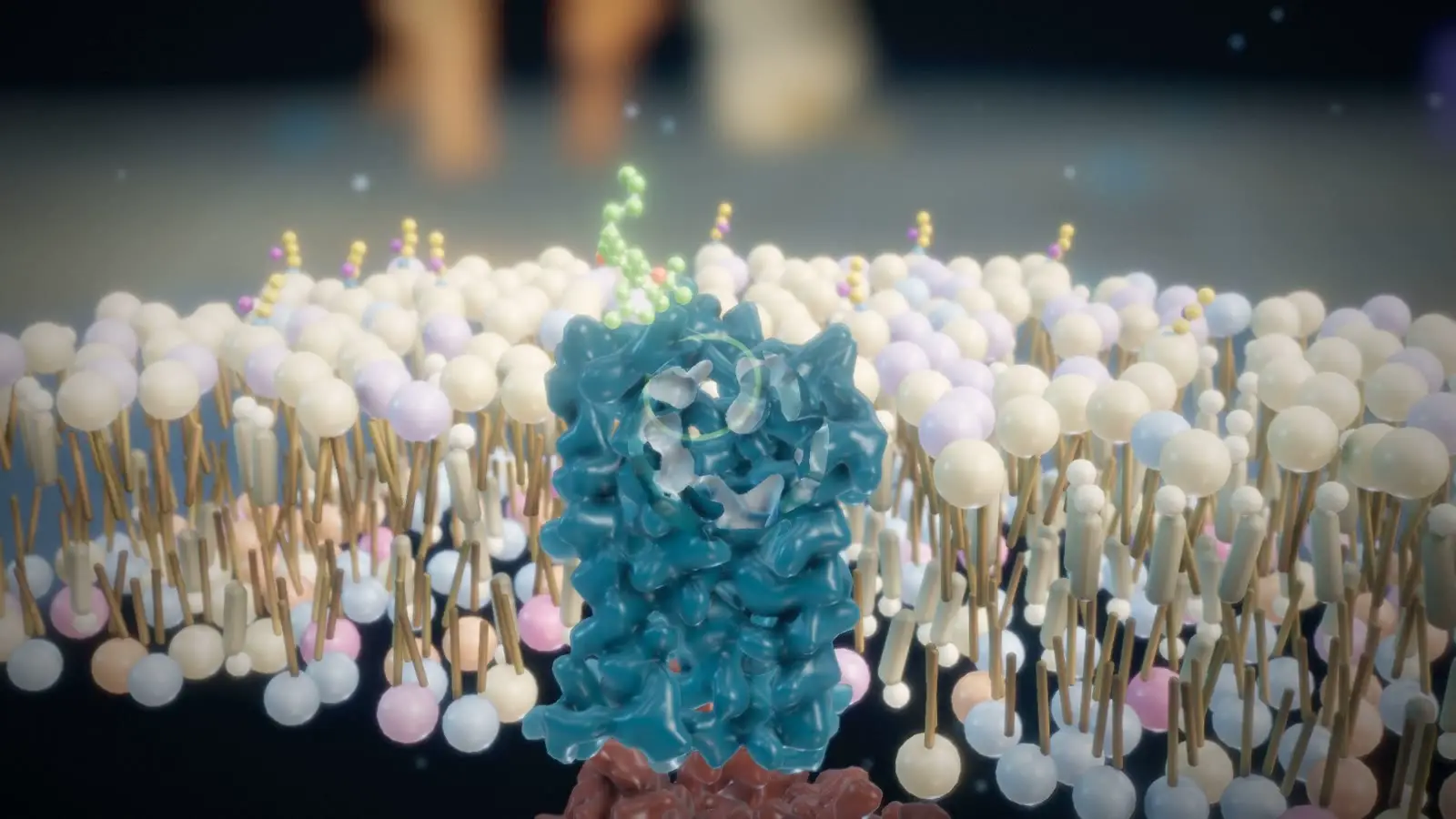
So how do your own cannabinoids tell fat cells to store? They work the same CB1 lock that THC does, and in mice that lock sits on fat cells as well as in the brain, where it helps drive hunger.
It also decides what to keep. CB1 tells fat cells to store. Mice born without it stay lean, even on a rich, fatty diet. For most of history, food was scarce, and storing it kept animals alive.
Rimonabant: the diet pill that blocked CB1
Rimonabant was a diet pill that blocked CB1, the lock THC switches on, and when four trials with more than four thousand people were pooled, those taking it had lost nearly five kilos more after a year than people on placebo, which is about ten pounds.
They were also two and a half times as likely to stop taking it because of depression, and more of them quit over anxiety, so in 2008 Europe suspended it.
Does weed speed up metabolism?
Does weed speed up your metabolism? A 2013 study of about forty-seven hundred American adults looked at insulin instead, and the people who were using cannabis at the time had about sixteen percent less insulin after fasting, along with smaller waists.
One explanation, which its own authors call a theory, is that THC pushes CB1 so hard that the body pulls some of those locks back, and fewer locks would mean storing less and burning more. That fits the brain scans showing daily smokers have about fifteen percent fewer CB1 locks, though as far as I can find, nobody has tested the idea in people.
Does quitting weed make you gain weight?
Does quitting weed make you gain weight? In that three-year survey, the people who had quit still gained less than people who had never used, though a survey like that can't tell you what will happen to you.
So the munchies are real, and the people who use weed still tend to be leaner for reasons nobody has pinned down, though I'd start with the lock that tells your fat cells to store. The whole film is on my site, linked below, and next, why do I want another bite?
What the studies show
Every claim in this answer, the study behind it, who was studied, and who paid for the research. “None listed” means the paper names no funder.