What is a runner's high, what does it feel like, and is it endorphins? The 2021 study that blocked endorphins and saw the runner's high anyway, what causes a runner's high instead, how to get a runner's high and when it kicks in, why some people never get one, and how to get a runner's high without running, from cycling to lifting weights.
The full answer
Is runner's high real?
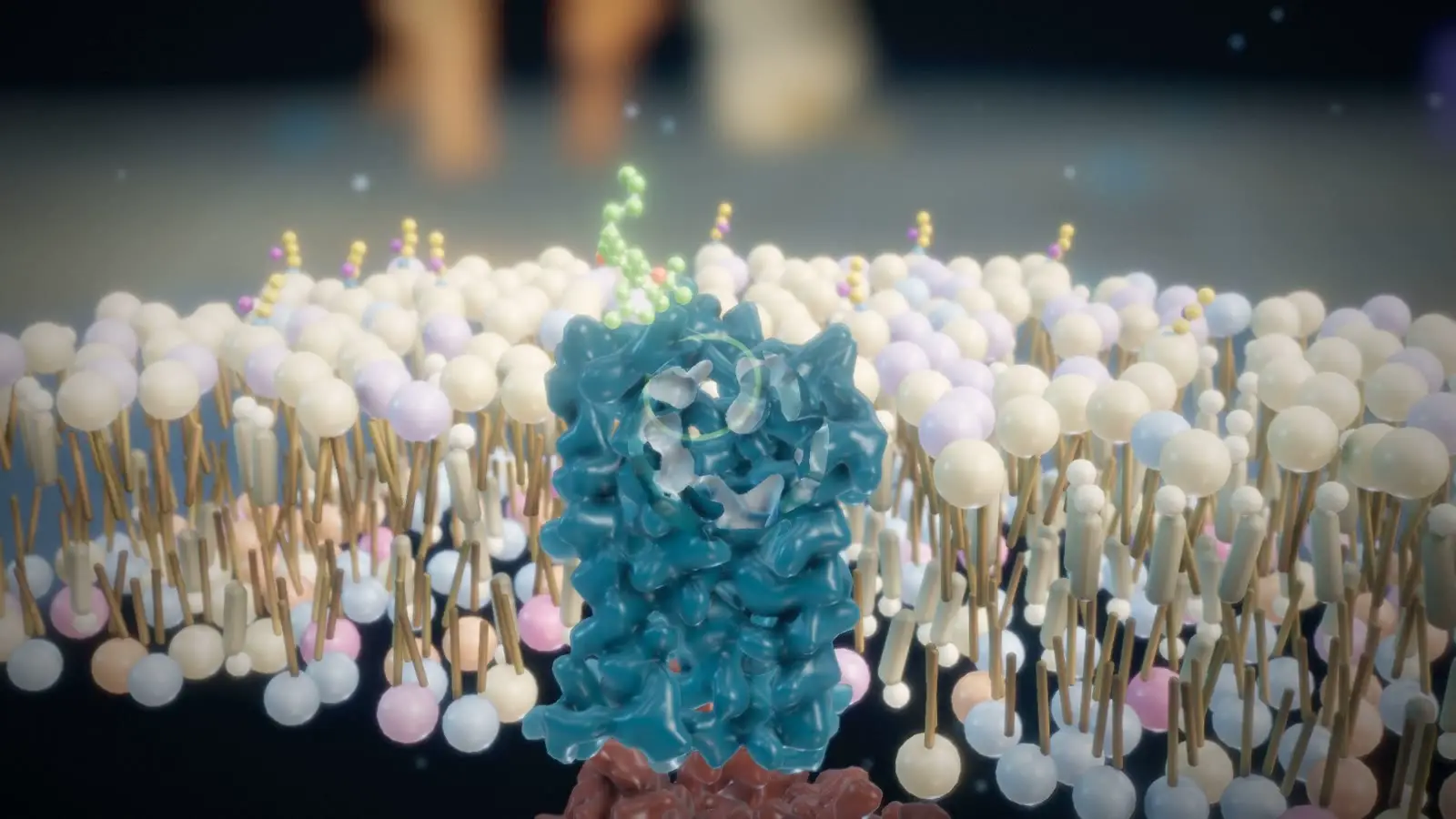
Is the runner's high real? The science says it is, and the best explanation is the cannabinoids your own body makes, keys that fit the same lock as THC. I'm Justin Hartfield, I've spent twenty-five years in cannabis, and this is the system cannabis works through.
This is what really blew my mind about cannabis. Long before you ever try the plant, your body is already dosing you.
You keep making these keys for the rest of your life, and you can make more. A long run is one way. After forty-five minutes, both of your endocannabinoid keys rise in your blood, and runners still felt the high when scientists artificially blocked their opioid receptors.
What is a runner's high?
What is a runner's high? It's a lift in mood that can come with long, steady exercise, and the chemistry behind it isn't only ours. In 2012 in Arizona, endocannabinoids rose in people and dogs after a run but not after a walk, and not at all in ferrets, which aren't built to run far.
What does a runner's high feel like?
What does a runner's high feel like? Long-distance runners describe a sudden, pleasant euphoria, with less anxiety, less pain and a heavy kind of calm.
Think about the last time you finished a long run and felt calmer than when you started.
Is the runner's high caused by endorphins?
Is the runner's high caused by endorphins? For decades that was the answer, and endorphins do play a part: in 2008 in Munich, ten athletes ran for two hours, and brain scans showed their own opioids at work, more in the ones who felt more euphoric.
The opioid-blocking study I mentioned was done in Hamburg in 2021: sixty-three people took naltrexone, which blocks those locks, or a placebo, then ran for forty-five minutes, and the euphoria and calm came either way. So endorphins may add to it, but the high doesn't depend on them.
What causes a runner's high?
So what causes a runner's high? The best answer now is your endocannabinoids, anandamide and 2-AG.
That's yours. Anandamide. Your cells make it on demand. Its name comes from the Sanskrit word for bliss.
In 2015, mice that had run on a wheel were calmer and felt less pain, and blocking their cannabinoid locks blocked both, while blocking their opioid locks didn't. The calm needed CB1 on certain cells in the forebrain.
How to get a runner's high (and when it kicks in)
How do you get a runner's high? The evidence points to a steady pace you can hold for a long time. In 2013, runners on a treadmill showed a rise in endocannabinoids at moderate paces and none when they went very easy or very hard. A 2003 study got the rise with fifty minutes at seventy to eighty percent of maximum heart rate.
As for when it kicks in, the studies that caught it measured after forty-five minutes and after two hours.
Why don't I get a runner's high?
Why don't I get a runner's high? The likeliest reasons are the pace and the length, since very easy and very hard efforts didn't raise the keys in that 2013 study, and a twenty-minute run may end before they rise.
And researchers describe it as something only some people feel, so yours may be quieter than you expect.
How to get a runner's high without running
How do you get a runner's high without running? Cycling worked in that 2003 study, and in 2022 in Granada, one weights session raised anandamide in the blood by about a quarter, as much as an endurance session, though that's a blood level, which isn't the same as a high. And in the Arizona study, an easy walk didn't raise them.
Time with people you love may raise these keys too. In mice, company raises anandamide in the brain's reward center. Block the lock there, and company stops being rewarding.
So the runner's high is real, it most likely runs on your own cannabinoids, and it's worth a long, steady effort before you decide it isn't for you. The whole film is on my site, linked below, and next, how to get a natural high.
What the studies show
Every claim in this answer, the study behind it, who was studied, and who paid for the research. “None listed” means the paper names no funder.