Why is it so hard to let go of the past, why do you keep dwelling on it, and can you erase a memory? This is the brain science of letting go: the Morris water maze, fear extinction, memory reconsolidation and the endocannabinoid system's CB1 lock, and what it does and doesn't tell you about forgiving yourself and moving forward.
The full answer
How do you let go of the past?
How do you let go of the past? In your brain, letting go means learning a newer lesson that wins out over the old one, and in mice that kind of learning leans on the same lock that cannabis works on. I'm Justin Hartfield, I've spent twenty-five years in cannabis, and the best picture of it is a mouse in a pool.
Letting go: what happens in your brain
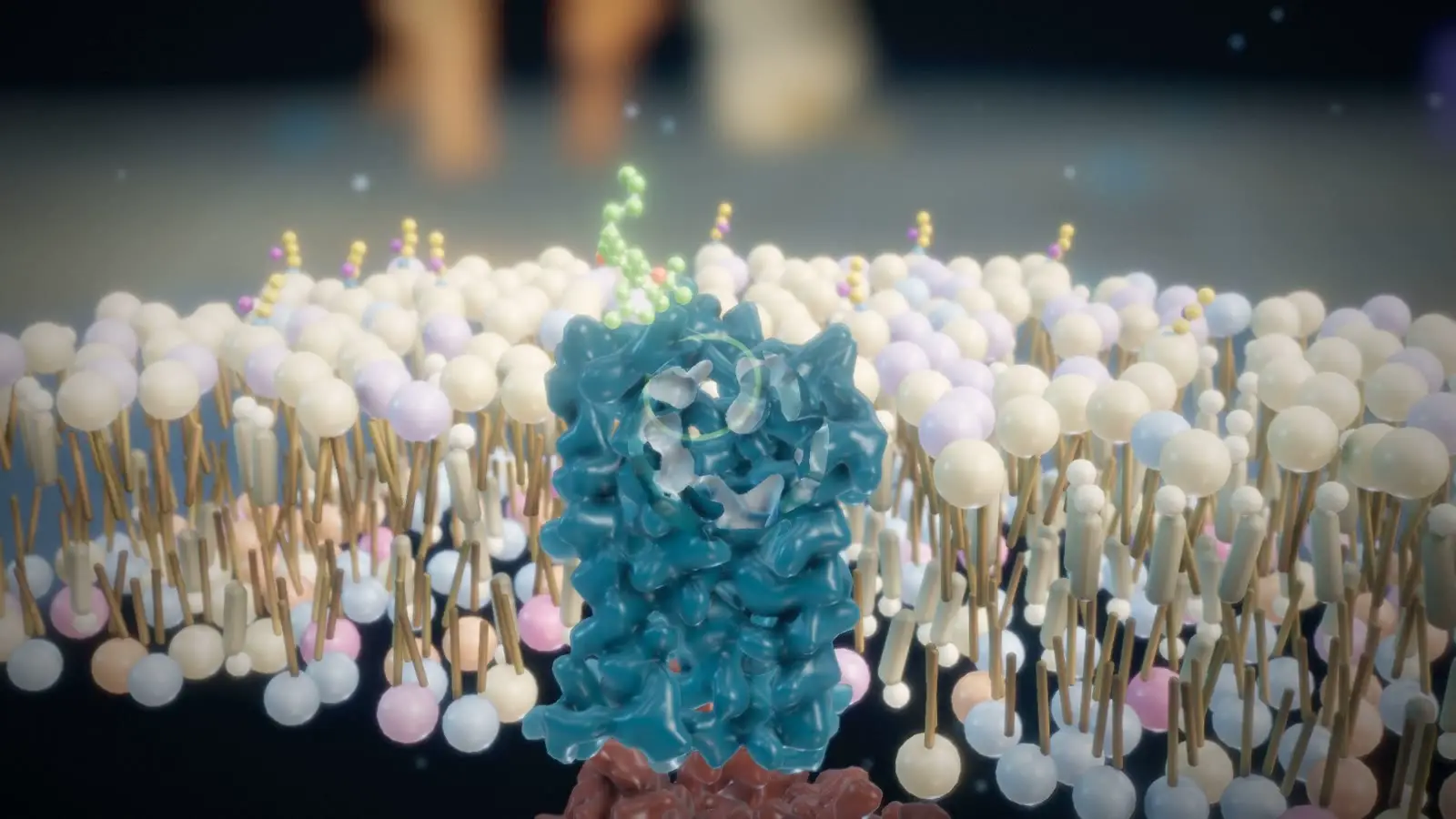
Letting go is something a brain does, and in mice part of it runs on the endocannabinoid system, the locks and keys your body makes, which cannabis borrows.
In 2002, researchers put mice in a pool of milky water, with a platform hidden just under the surface. You're the mouse. Find the platform.
Faster. You remembered. That's learning.
Now the platform moves to the other side of the pool. Find it again.
That's where it used to be. It's gone now.
You let go of the old spot and found the new one. Normal mice do that too.
Why is it so hard to let go of the past?
So why is it so hard to let go of the past? Part of the answer is in a mouse born without the lock.
Now watch two mice swim after the move. The blue trail is a normal mouse. The amber trail is a mouse born without CB1.
Both learned the first spot just as fast. But the one without CB1 keeps going back to where the platform used to be. Again and again, even after it has been shown the new one.
In 2005, the same lab in Virginia took the platform away. Normal mice gave up on the empty spot by the third or fourth swim, while mice without CB1, or on a drug that blocks it, kept going back all five times, as long as the swims came weeks apart.
Why do I keep thinking about the past?
Why do you keep thinking about the past? A 2004 review of the research on extinction, the lab word for unlearning, found that the original learning survives underneath, and the newer lesson depends on where you learned it, so something you'd settled can come back in a new place.
In 2002, a lab in Munich saw the same trouble with fear: mice without CB1 learned to fear a sound as well as any mouse, and then had great trouble letting it go.
How to stop dwelling on the past
So how do you stop dwelling on the past, or ruminating? In the lab, an old lesson loses its grip when you meet the situation again and what it predicted doesn't happen. My reading is that going over it in your head doesn't give your brain that new evidence, and the mouse that let go was the one that swam somewhere new.
Can you erase a memory?
Can you erase a memory? Mostly the old one stays, but there may be a window, called memory reconsolidation, when a memory you've just called up can be changed. In 2010, a lab at New York University taught sixty-five people to fear a colored square that sometimes came with a mild shock.
People reminded of it ten minutes before their unlearning session didn't have the fear come back the next day, or, for the few re-tested, a year later. Other labs have had mixed results, and pooled together the effect in people is small to moderate.
How do you forgive yourself?
How do you forgive yourself? None of these studies can answer that for you, but what I take from them is that you can let go of something without forgetting it, by practicing a newer lesson until it wins.
How to let go of the past and move forward
And how do you let go of the past and move forward? I can only tell you what I believe.
Where I've landed is that facing forward is a habit, and anyone can practice it. You don't need the right genes or the right plant. You need to notice when you're swimming to where the platform used to be, and turn around.
The old lesson stays, and a newer one can still win. The whole film is on my site, linked below, and next, can your brain unlearn a fear?
What the studies show
Every claim in this answer, the study behind it, who was studied, and who paid for the research. “None listed” means the paper names no funder.