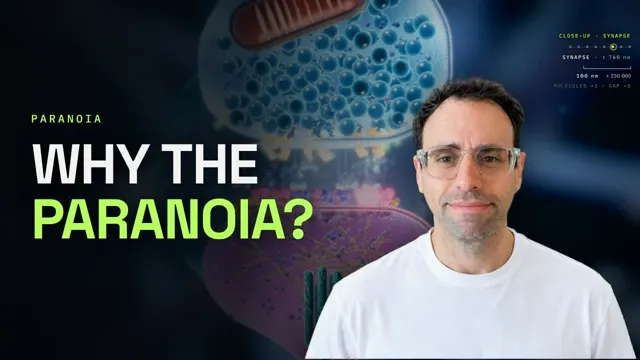
Too high on weed or an edible? This is what's happening in your brain when you green out, why edibles cause so many green outs, whether you can die from greening out, how long it lasts, and what actually helps you stop being high.
The full answer
What is greening out?
What is greening out? It's taking more THC than your body can handle at once, so your heart pounds, you get dizzy or sick, and panic tells you something is badly wrong. For most healthy adults it isn't dangerous, and it passes. I'm Justin Hartfield, I've spent twenty-five years in cannabis, and here's what's happening inside you.
What does greening out feel like?
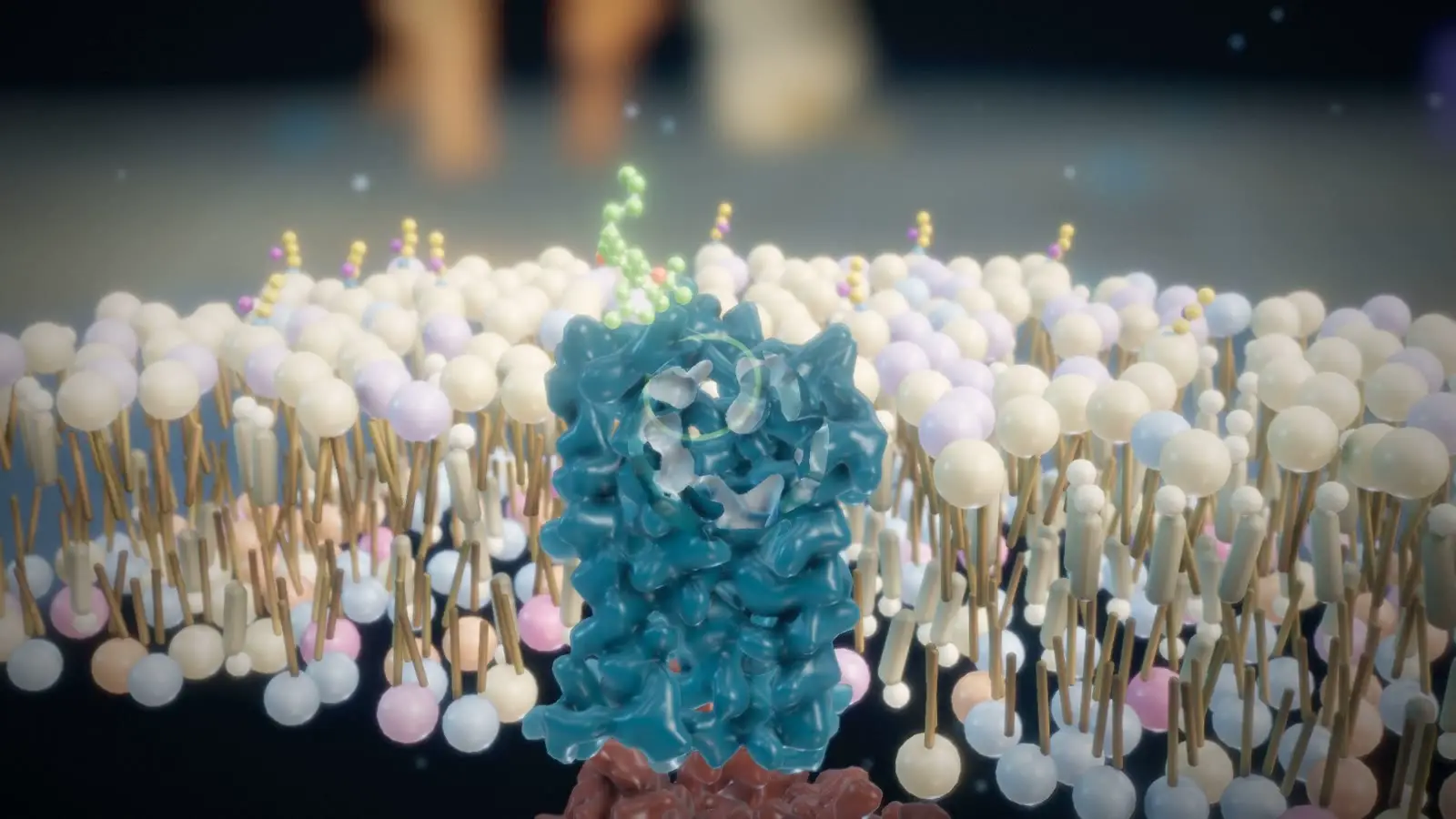
So what does greening out feel like? THC works on a lock in your brain called CB1, and too much of it holds those locks open everywhere at once. In a 2018 study, vaping twenty-five milligrams raised people's heart rates by about twenty-seven beats a minute, and standing up fast can drop your blood pressure, which is why people go pale and faint, what the British call a whitey.
Why does greening out feel like dying?
The panic has a reason too. In mice, a small dose of a THC-like drug quieted the cells that rev the brain up, while a big dose quieted the cells that calm it down. People show the same turn: in 2017, seven and a half milligrams made a stressful speech easier, and twelve and a half made it worse. Your body sounds an alarm just as your brain loses some of its brakes on fear, and that's why it can feel like dying.
Why edibles make you green out
Edibles are where most people get caught, because your liver turns eaten THC into 11-hydroxy-THC, which works on the same lock, and it takes its time. You feel nothing for an hour, so you take another bite, and both doses land together. At one big Colorado hospital, edibles were a third of a percent of the THC sold, and one in ten of the emergency visits cannabis caused.
Can you die from greening out?
Can you die from greening out? Look at where the locks are.
But in the brainstem, the part that keeps you breathing without you ever thinking about it, there are very few. An opioid overdose kills by shutting breathing down, because opioid locks sit right in those breathing centers. That may be why even huge doses of cannabis are not lethal.
The real dangers are around it: fainting and hitting your head, driving, and a heart that races for hours when it already has trouble.
How long does greening out last?
How long does greening out last? Smoked or vaped, it fades over two or three hours, while an edible can take an hour to start, peaks two or three hours in, and can last up to twelve.
Either way it ends, and if the fear keeps coming back for weeks, talk to a doctor, because the high itself is long over.
How to stop being high
So how do you stop being high? Nothing switches THC off, so get through it gently: sit or lie down, breathe out slower than you breathe in, and tell yourself the truth, that this is THC and it will pass.
Black pepper is the old remedy, but it works on the CB2 lock, not the one that gets you high, so nobody knows if it helps. Lemon has more behind it: at Johns Hopkins, vaping limonene, the scent in lemon peel, with a big dose of THC cut how anxious and paranoid people felt. And CBD isn't the off-switch it's sold as, because in a 2023 trial adding it didn't change the high at all.
Should you go to sleep if you green out?
Should you go to sleep if you green out? If you're breathing normally, yes, it's the easiest way through, on your side if you feel sick. If a friend is greening out, stay with them, and get medical help for chest pain, a faint with a fall, vomiting that won't stop, a seizure, or a child or pet who ate an edible.
How to not green out
And how do you not green out next time? Start low and wait two full hours before a second edible. Daily smokers have about fifteen percent fewer CB1 locks, and they come back within days, so after a break your usual amount can hit like your first.
If you're in one right now, lie down, breathe slowly and give it time, because it will pass. The whole film is on my site, linked below, and next, how long edibles really last.
What the studies show
Every claim in this answer, the study behind it, who was studied, and who paid for the research. “None listed” means the paper names no funder.