How long does an edible last, how long does it take to hit, and why do edibles feel so much stronger than smoking? This is what first-pass metabolism does to THC, how long a 10 mg edible lasted in the Johns Hopkins brownie studies, why your edible might not be kicking in, and why a second dose is where a lot of bad nights start.
The full answer
How long do edibles last?
How long do edibles last? Usually six to eight hours, sometimes up to twelve, and they take half an hour to an hour and a half to kick in, which is why they catch so many people out. I'm Justin Hartfield, I've spent twenty-five years in cannabis, and the reason for that slow clock is your liver.
How long does it take for edibles to kick in?
So how long does it take for edibles to kick in? Start with smoking, because THC from your lungs is in your blood almost straight away.
Minutes. You feel it almost at once. It peaks in fifteen to thirty minutes, and fades over two or three hours.
Eat the same THC, and it has to get through your gut and then your liver before any of it reaches your brain.
Thirty to ninety minutes before you feel anything. The peak comes two or three hours in. And it can last up to twelve.
How long does a 10mg edible last?
How long does a ten milligram edible last? At Johns Hopkins, healthy adults ate brownies with ten, twenty-five or fifty milligrams of THC, and the effects took thirty to sixty minutes to show up. They peaked between an hour and a half and three hours in, and lasted six to eight hours.
Ten milligrams was enough to feel and to raise people's heart rates without hurting their thinking, while twenty-five and fifty left them markedly impaired.
What is first-pass metabolism?
What is first-pass metabolism? Anything you swallow goes from your gut to your liver before it reaches the rest of your body, so the liver gets the first pass at it, and with THC it takes a lot.
In 1980, eleven healthy volunteers took THC by smoking it, by injection and in a chocolate cookie. Smoking got about eighteen percent of it into their blood, while the cookie got about six, and the researchers called its absorption slow and erratic.
Why do edibles hit harder?
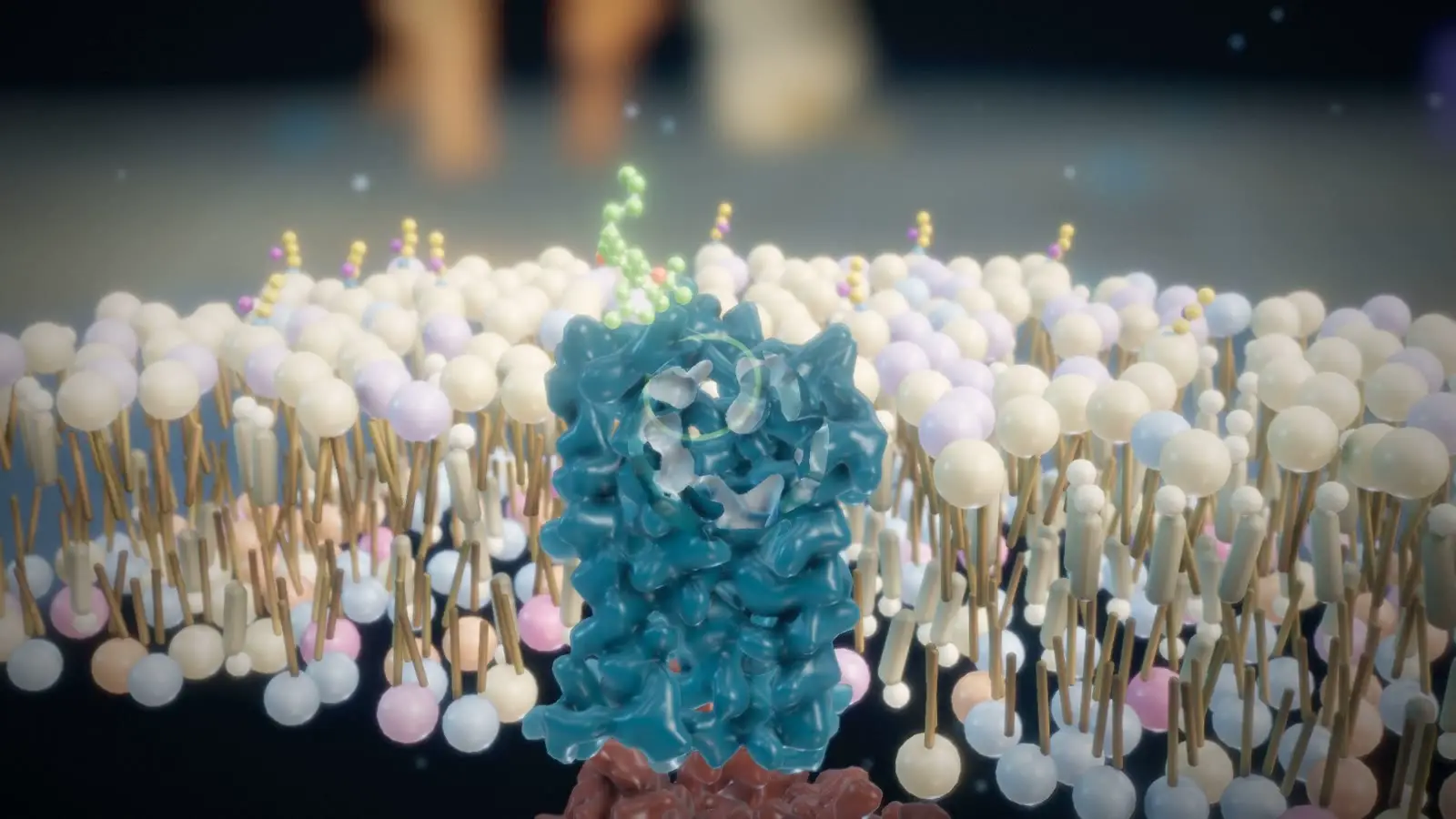
So why do edibles hit harder, if so little gets through? On the way through, your liver changes it, and one of its enzymes turns part of the THC into 11-hydroxy-THC, which gets you high in its own right.
In 1983, a team gave men and women THC by injection or by mouth. When it was injected, their blood held a tenth to a twentieth as much 11-hydroxy-THC as THC, but when they swallowed it, there was half as much or just as much.
That would explain why the 1980 cookie eaters felt high at much lower THC levels than the smokers. And in 2021, twenty people who ate twenty-five milligrams were impaired with about a twelfth of the blood THC they reached after vaping twenty.
Why is my edible not kicking in?
Why is my edible not kicking in? That slow trip through your gut can take half an hour in one person and an hour and a half in the next, and livers differ too.
In 2009 in Göttingen, forty-three volunteers swallowed THC, and those with two copies of a slower version of that liver enzyme had about three times as much THC in their blood.
So give it two full hours before you decide an edible isn't working, because it runs on a much slower clock than a joint.
Should you take a second dose?
Should you take a second dose? This is where a lot of bad nights start, because at one hour you feel nothing, so you eat more while the first dose is still climbing.
Now both doses land together. That's how people end up far higher than they meant to.
How to come down from an edible
And how do you come down from an edible? You wait while your liver clears it, and my answer on greening out, linked here, covers getting through it and when to get help.
So an edible is the same THC taking the long way round, through a liver that turns part of it into a second high, which is why it pays to take one dose and wait. The whole film is on my site, linked below, and next, why weed makes you hungry.
What the studies show
Every claim in this answer, the study behind it, who was studied, and who paid for the research. “None listed” means the paper names no funder.