What is delta-8, what is HHC, and how strong are they? This covers where delta-8's double bond sits, how both are made from hemp CBD, the Johns Hopkins dosing trials against regular THC, what a lab found inside delta-8 vape products, US and Czech poison-center counts, HHC's two forms and why they act like different keys, the only human HHC study I found, and whether delta-8 and HHC show up on a drug test.
The full answer
What is delta-8, and what is HHC?
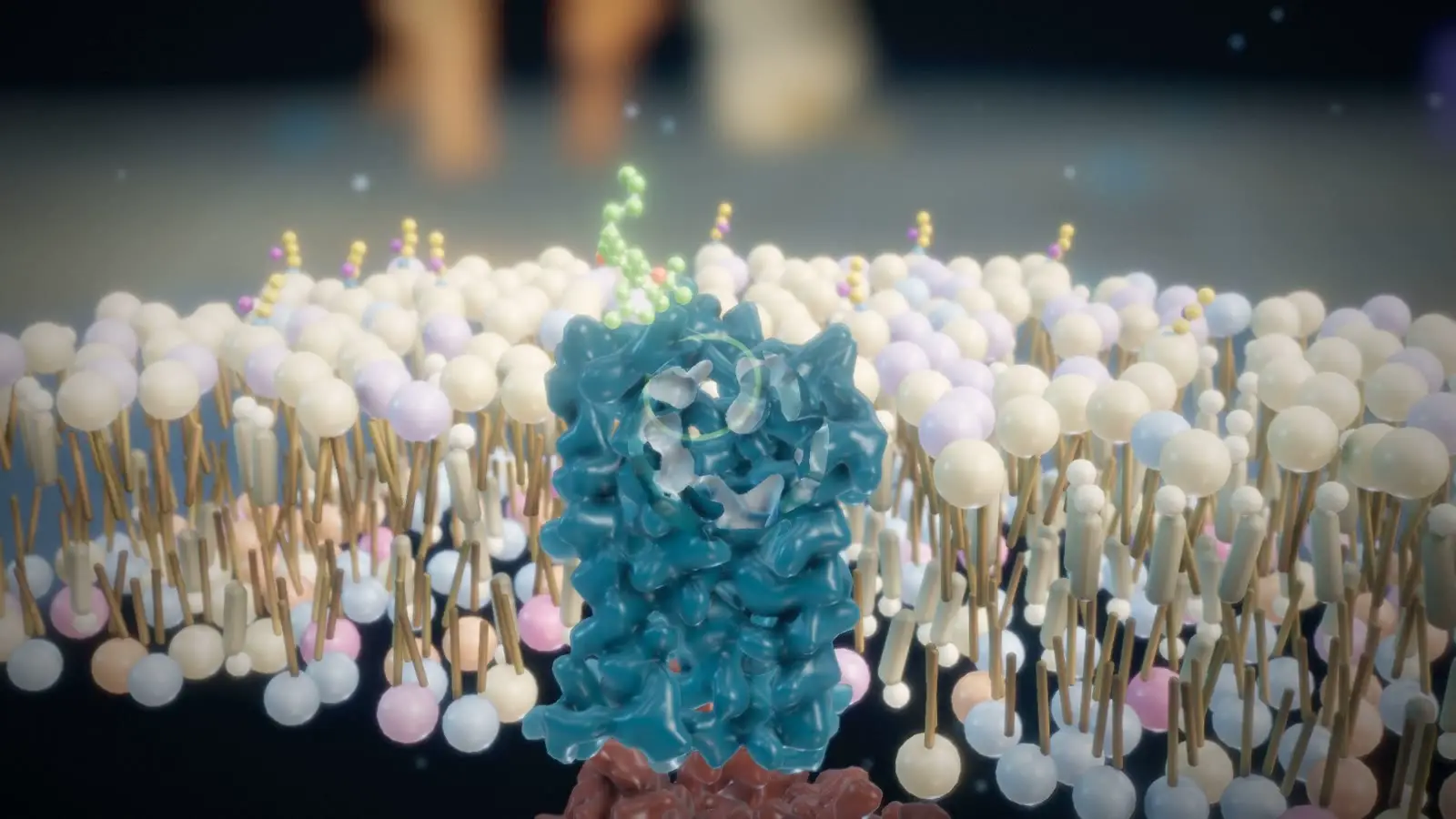
What is delta-8, and what is HHC? Both are close copies of THC, mostly made in a lab from hemp CBD, and both turn the same CB1 lock that THC holds open. I'm Justin Hartfield, and I've been selling cannabis for twenty-five years. Think of them as keys cut slightly differently for the same lock, which changes how hard each one turns it.
What is delta-8 THC?
What is delta-8 THC? Delta-8 THC has exactly the same atoms as regular THC, which chemists call delta-9. The difference is where one double bond sits in one of its rings: between carbons nine and ten in delta-9, and between carbons eight and nine in delta-8. The plant has no enzyme that makes delta-8. Small amounts turn up in old, dried flower, because delta-9 slowly shifts into it. The delta-8 sold in shops is made from hemp CBD. Heat CBD with an acid and its open ring closes, a reaction first described in the 1940s, and depending on how it's run, you get delta-8, delta-9 and a mix of other compounds.
Is delta-8 weaker than regular THC?
Is delta-8 weaker than regular THC? Milligram for milligram, yes, but a bigger dose makes up the difference. Human studies go back at least to 1973, and a 2022 review of them found delta-8 the weaker one. The best test so far came from Johns Hopkins in 2025. Nineteen adults ate brownies with ten, twenty or forty milligrams of delta-8, twenty milligrams of delta-9, or nothing, without knowing which. Twenty milligrams of delta-8 felt weaker than twenty of delta-9 and impaired them less, but at forty milligrams, nothing they measured differed from twenty of delta-9. After delta-8, their blood held much less 11-hydroxy, the liver byproduct that gets you high in its own right, and the authors think that may be part of why. In a second trial, where twenty adults vaped it instead, only the lowest dose of delta-8 felt weaker than twenty milligrams of delta-9, and they took bigger puffs when the dose was low.
What's actually in delta-8 products?
What's actually in delta-8 products? Often not what the label says. In 2021, chemists at the University of Rochester tested twenty-seven delta-8 vape products from ten brands. None had an accurate delta-8 label, and eleven had cutting agents that weren't listed. Every one held another THC isomer left over from the chemistry, nearly all held a compound nobody had described before, and the ones screened for metals had traces of lead and mercury. A 2022 review noted that, apart from delta-8 itself, none of these byproducts has been safety-tested in people. US poison centers logged almost five thousand delta-8 cases in 2021 and 2022, and the rate rose by seventy-nine percent in a year. Almost a third were children under six, nearly all of whom had eaten it, and about one in twenty of all cases ended up in intensive care.
What is HHC?
What is HHC? HHC stands for hexahydrocannabinol, and it's THC with extra hydrogen. Makers heat hemp CBD with an acid, which gives a mix of delta-8 and delta-9 THC, and then add hydrogen across the double bond that both have in one of their rings, so that ring has none left. Chemists first made HHC in the 1940s while hunting for what gets people high in cannabis, and it reached the drug market in 2021 and was first reported in Europe in 2022. Losing the double bond leaves a choice at carbon number nine: a small methyl group there can lie flat along the ring, which is called 9R, or stand up from it, which is called 9S. HHC products contain both, and they act like two different keys. In 2023, an Italian team purified each form and gave it to mice. The 9R form slowed the mice down and dulled their response to pain, and the 9S form did neither. In cells carrying the human CB1 lock, the one THC works on, 9R turned it part of the way, and 9S needed a bigger dose to do the same. The two forms come out of the reaction in different proportions depending on how it's run, so one HHC product can be stronger than another for that reason alone. My guess is that almost nobody buying HHC knows which mix they're getting.
Does HHC get you high?
Does HHC get you high? Yes, though the human evidence is thin. The best study I found, from Leipzig in 2025, had six people and no placebo or blinding. Three ate a gummy with twenty-five milligrams of HHC, and three took three puffs from an HHC vape. Five of the six felt high, rating it between three and eight out of ten, all six had a dry mouth, and four struggled with roadside balance tests. The authors found its effects, and how fast it rose and fell in the blood, similar to THC. The Czech poison center counted a hundred and ninety-six cases involving HHC or a relative called HHC-P over two years, mostly people who had swallowed it. Six percent were severe, almost a fifth were children under fifteen, and nobody died. I found no placebo-controlled trial of HHC in people.
Do delta-8 and HHC show up on a drug test?
Do delta-8 and HHC show up on a drug test? Usually, yes. Standard urine screens use antibodies built to catch THC's breakdown product, and delta-8 and HHC break down into very similar molecules. In 2023, a Virginia lab spiked urine with these breakdown products, and six commercial screening kits picked up both delta-8's and HHC's, though how strongly depended on the kit. In the Leipzig study, the urine test turned positive for all six people, and after the gummy it stayed positive for up to seventy-two hours. As HHC spread in Sweden, a Stockholm hospital lab saw false THC alarms, screens of urine or saliva that flagged THC but found none on confirmation, rise from under two percent to over ten.
The whole film is on my site, linked below. Next: What does CBD actually do?
What the studies show
Every claim in this answer, the study behind it, who was studied, and who paid for the research. “None listed” means the paper names no funder.