What is inflammation, and is it good or bad? This is how your body heals a wound, from the first neutrophils to the scar: the four stages of wound healing, how long a wound takes to heal, acute vs chronic inflammation, why we take anti-inflammatories if inflammation heals, and whether your body heals while you sleep.
The full answer
How does the body heal itself?
How does your body heal itself? It starts a fight called inflammation, then sends in a cleanup crew to rebuild, and healing well means switching from one to the other at the right time. I'm Justin Hartfield, I've spent twenty-five years in cannabis, and in mice, one of the locks cannabis works on, CB2, helps flip that switch.
What is inflammation?
So what is inflammation? It's the fight itself, as blood vessels around the cut widen and let immune cells and fluid pour in. That gives you the four signs the Roman writer Celsus listed two thousand years ago, redness, swelling, heat and pain.
The first cells to arrive are neutrophils. They crawl toward the wound, swallow bacteria and kill them with bleach, the same active chemical that's in the bottle under your sink.
What are the stages of wound healing?
What are the stages of wound healing? Doctors count four, starting with a clot that stops the bleeding and plugs the gap, then the inflammation, then new skin and blood vessels growing in. The last, remodeling, goes on for years, and the scar never quite matches the skin it replaced.
How long does it take for a wound to heal?
How long does it take for a wound to heal? A small, shallow wound can seal over in about four days, and doctors call one chronic if it still hasn't healed after twelve weeks.
How does the body switch off inflammation?
How does the body switch off inflammation? Once the bacteria are cleared, macrophages shift from fighting to cleaning up. The biologist Dr. Bob Melamede, who I met in 2010 and who died in 2023, built a framework around that handover.
Dr. Bob had a simple picture for this. Your body was like an office. Office workers come in in the morning, work all day, leave tons of waste behind, and leave in the evening. Then in the evening, the cleaning crew comes to clean it all up so the office workers can start fresh again the following morning. Your body runs both types of shifts too, and the two locks in this film help decide which crew is on shift.
Ending a fight also takes work. The body makes its own stop signals, and many of them are built from the same omega-3 and omega-6 fats it uses to make its own endocannabinoid keys.
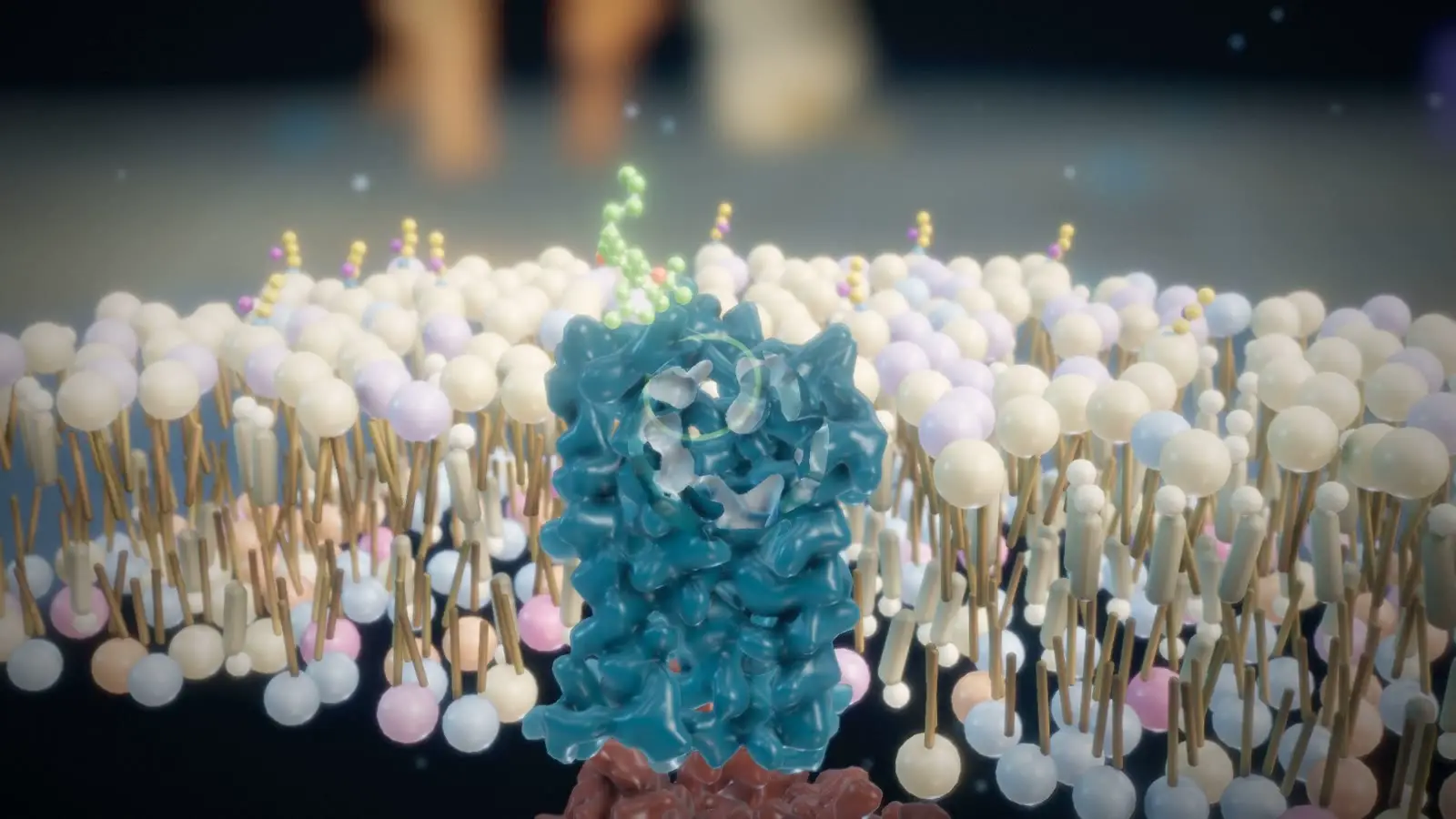
When CB2 turns on, immune cells generally calm down. They put out fewer alarm signals and fight less. In many disease models, mice bred without CB2 get worse inflammation.
Now you run both shifts on a scraped knee: let the fight clear the bacteria, then turn up the cleanup through CB2.
If the cleanup starts too early, the infection wins. If it never starts, the fight keeps burning the tissue it was meant to protect.
Is inflammation good? Acute vs chronic
Is inflammation good? Acute inflammation, the short kind, is how you heal, and after a bee sting it's normally gone within hours. Chronic inflammation is a low fight that never resolves, and it's tied to heart disease, diabetes and many of the biggest killers.
Researchers call it inflammaging. As we get older, the fight switch never fully turns off.
If inflammation heals, why take anti-inflammatories?
If inflammation heals, why take anti-inflammatories? We take them for the pain, but a 2022 McGill study suggests timing matters. Of ninety-eight people with new back pain, the ones who recovered had a short burst of inflammation early on, and in mice, an early anti-inflammatory made the pain last longer.
In British health records, people who took one for back pain were more likely to still have it years later. But records aren't a trial, so don't change a medicine your doctor gave you because of them.
Does your body heal while you sleep?
Does your body heal while you sleep? Sleep does help, partly by keeping inflammation in balance, and that four-day wound came from a US Army study. Volunteers held to two hours of sleep a night took about five days to heal the same kind of wound.
So your body heals with a fight and then a cleanup, and each one needs its turn. The whole film is on my site, linked below, where you can run both shifts yourself, and next, why we age.
What the studies show
Every claim in this answer, the study behind it, who was studied, and who paid for the research. “None listed” means the paper names no funder.