The world gets the last word.
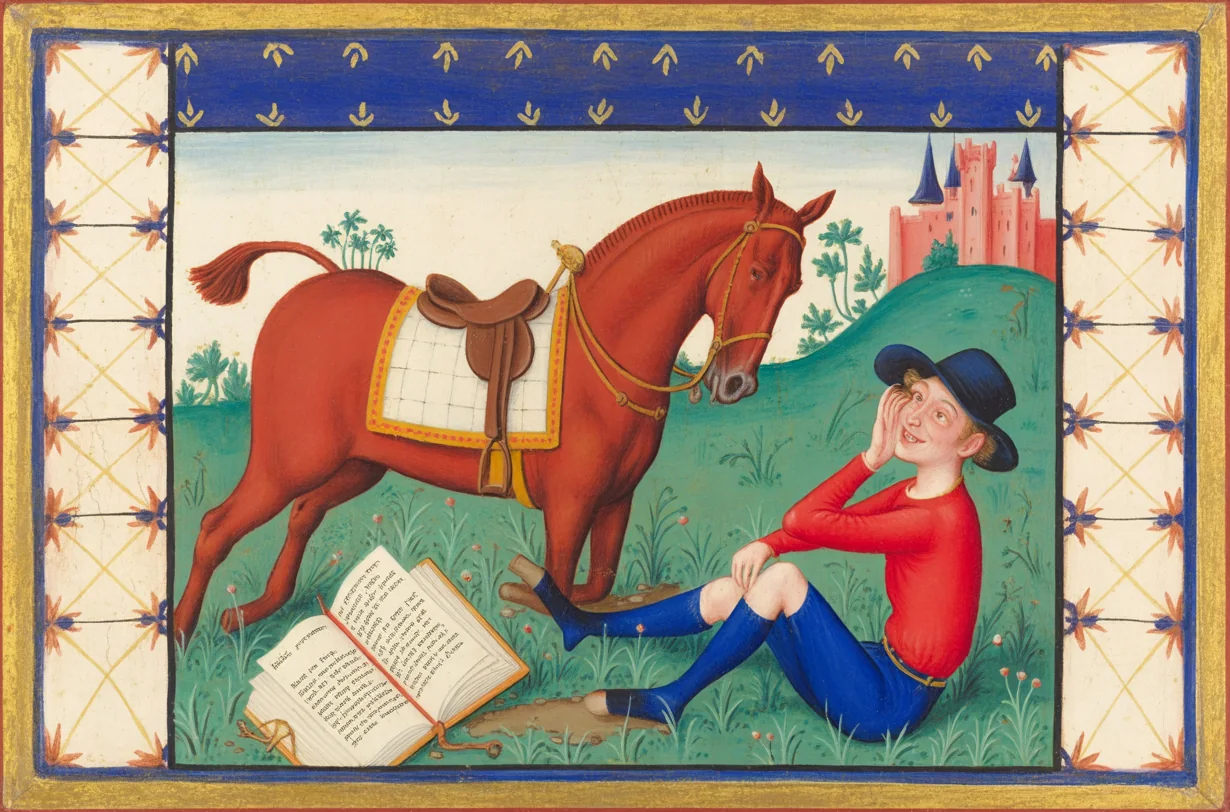
Nobody has ever learned to ride a bike from a book. You can read every page about balance and pedals and leaning into turns. The first time you push off, the ground will still tell you what it thinks. You fall, you get up, something in you adjusts, you fall a little less. Nobody can explain that adjustment to you. The bike teaches it, one fall at a time, and the explanation only makes sense after you can already ride.
That’s the whole rule. You can believe anything you want. The world doesn’t argue with you about it. It just answers. The bike answers with a fall or a glide. A plan answers with what happens when you try it. A belief about a person answers in how they act over a year. You never have to win the argument, because the world is going to settle it anyway.
So here is how to tell if something is true enough to keep. Try it. If it works, it’s true enough for now. If it doesn’t, it’s wrong, no matter how good it sounded, who said it, or how badly you wanted it to be right. This is how everything alive got here. Living things have been trying things for a very long time, keeping what works and dropping what doesn’t, with no one in charge of the plan. Languages were built that way. So were markets, and forests, and you. Nobody designed the answer. It got tested into being.
Three things follow from this.
First, failing is information, not a verdict. A fall off the bike is the most useful thing that happens all afternoon, because it carries news the book couldn’t. When something you try doesn’t work, you have not learned that you’re bad. You’ve learned one true thing about the world, which is more than most people get from a good day.
Second, small bets beat big arguments. When you don’t know which way is right, don’t sit and reason about it for a month. Find the cheapest version of each way, try it for a week, and let the world vote. You’ll usually get an answer faster than the argument would have taken, and it will be a real answer instead of a clever one.
Third, this rule is the boss of the other four. Everything in these letters is a bike. The whirlpool, the map, the feeding, the forks: don’t take any of it on my say-so. Try it, in your own life, and watch what happens. Keep what works. Throw out what doesn’t, including anything I wrote, and don’t feel bad about it. The world gets the last word, not your father.
There is one thing in these letters I won’t ask you to test. It’s four letters: EWOP. Everything Is Working Out Perfectly. You say it when things look worst, out loud, with conviction, especially when it looks false. I can’t prove it. I’m not going to try. It’s the one thing in here that I take on faith, and I’m telling you so that you always know which one it is.
Try this, once a week, for as long as you like.
Keep a small notebook of bets. Each week write down one thing you believe will happen if you try something, then try the cheapest version of it. A week later, write down what actually happened. Keep the things that worked. Drop the things that didn’t. After a few months you’ll have something almost nobody has: a record of what the world has told you is true.
One line to remember
Don’t argue with the world. Ask it, and then listen.